 Everybody can look back at some aspects of their life and say “I wish I knew then what I know now.” The same can be said for anyone who is dealing with chronic pain or who has progressed through a pain management plan. Oftentimes life would have been so much easier if we just would have known a few things back then. That sentiment is the focus of today’s blog. We’re going to share some things that many patients with chronic pain wish they would have known earlier in the process, and hopefully they can help you come to an understanding earlier than you may have on your own.
If Only I Would Have Known Sooner
Here’s a look at some sentiments a lot of patients wish they would have come to grips with sooner. We understand these may not apply to every single situation, but at least a few points should apply to your pain problem.
1. Pain is not just physical – One of the biggest misconceptions about your chronic pain is that it’s only a physical issue. Pain has a way of impacting us physically, mentally and emotionally, and it can exhaust all aspects of our life. You can’t just focus on the physical aspect of your health, because ignoring your emotional and mental health will wear you down and leave you feeling worse off. Treating pain needs to be a multi-faceted approach that focuses on your total wellness. If you’re feeling anxious, tired or mentally or emotionally fatigued, bring this up to your care physician because taking care of these areas of your life will help your physical pain as well.
2. Pain isn’t always curable, but it is treatable – What we mean by this is that although we do everything in our power to completely rid you of your pain, there’s no guarantee that you will be completely pain free when all is said and done. That being said, we are extremely confident that we will be able to help decrease your symptoms or help you get a better handle of your pain condition, no matter what you’re dealing with. We’ve never met a patient that we’ve felt that we couldn’t at least make life a little better for. But it’s important to manage your expectations. Assume that things will get better, but understand you might not be back to a completely pain-free way of living.
3. It’s going to take work – As we’ve said on the blog in the past, there is no magic bill to treat chronic pain. Painkillers can help mask pain, but they won’t treat the underlying problem. Most pain conditions best respond to physical therapy, controlled exercise, weight management and other healthy lifestyle choices. This takes concentrated effort, but it’s worth it. If you just hope time heals all wounds, you may be surprised at how little progress you see.
4. Control what you can control – A final aspect we want to share is that you need to focus only on what you can control. You can’t control how your pain responds to treatment, but you can control the effort you put in to treatment. You can’t control your good and bad days, but you can control your attitude and mindset, even if it’s not always easy. Know that some things are out of your control, and that’s ok. If you focus on what you can control, you’re going to be in a better mental space, and it often leads to better physical outcomes.
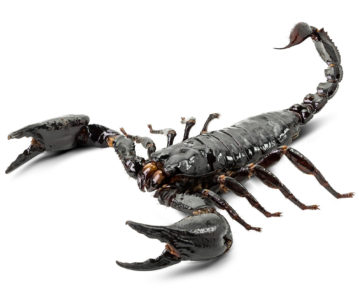 Chronic pain is the most widespread health condition facing Americans today, so it’s no surprise that researchers and medical experts are looking for alternative methods to help patients find relief. A new study out of the University of California San Francisco is taking that thought to the extreme as they have been studying scorpion venom to see if it could be harnessed to help stop some types of nerve pain.
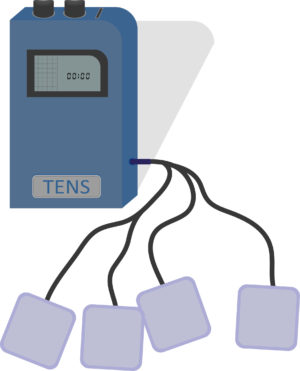 Medicine is evolving as electronic technology invades all aspects of medical care, and pain management is no exception. The areas that have changed the most are imaging technology and implantable devices. What is interesting to patients is how imaging can improve care and implantable devices may help when nothing else is working. The improved imaging makes diagnostic and treatment decisions easier and also makes interventions more precise when tied to management by an astute clinician. No matter how good the technology is, without the skill of a good clinician to understand the medical problem, no solution would be helpful.
 When you’re dealing with chronic pain, you’re willing to do almost anything to find respite. You’ve probably done some research online or talked to others with similar issues and come up with a plan. But what if you’re treating your chronic pain condition incorrectly? Not only can this prevent you from finding pain relief, in some cases, it can actually make pain worse. Below, we take a look at four ways you may be incorrectly treating your pain condition.
 Memorial Day and the unofficial start of summer is almost here, and that means many Minnesotans will soon be outside doing yard work and other physical activities. Staying active in the summer can help us cross items off our to-do list, but it can also lead to an uptick of back injuries. Below, we share some tips for helping to prevent back injuries during spring and summer projects.