 A growing number of US adults with chronic pain are pursuing a combination of non-drug and non-opioid approaches to control and treat their condition, which is an encouraging sign.
As we’ve talked about on the blog in the past, pain medications can play an important role in a comprehensive chronic pain treatment program, but oftentimes other active treatments provide more benefits and do not pose the same risks as potentially-addictive pain opioids. A recent poll found that 55 percent of adults with chronic pain used pain management techniques that did not involve any opioids at all over the surveyed three-month period. 11 percent of respondents used both opioids and non-opioid techniques, and only four percent said they only used opioids for chronic pain management. However, 30 percent of patients with chronic pain said they did not pursue any pain management techniques over the three-month period.
Other Chronic Pain Findings
Here’s a closer look at some of the findings from the survey:
- Complementary therapies were the most commonly used non-opioid pain management technique (35% of adults), followed by physical, occupational or rehabilitative therapies (19%).
- 5% of patients pursued self-management programs, 4% underwent cognitive behavioral therapy, and 2% sought out peer support groups.
- 39 percent of adults said they pursued non-opioid chronic pain treatments that weren’t expressly mentioned by the survey.
- Participants using complementary and psychological or psychotherapeutic interventions were more likely to be younger women with more education.
- Prescription opioid use for chronic pain management was more common among older adults between the ages of 45 and 64 years compared to those aged 18 to 44 years (19% vs 8%).
- Prescription opioid use was also more common among women than men (17% vs. 13%), in adults with health insurance compared to those without (16% vs. 6%) and in those with a high school education than those with more than a high school education (17% vs. 14%)
- Prescription opioid use was less common among people making more than $100,000 than those making less than $35,000 (9% vs. 20%)
Researchers concluded that the findings were a step in the right direction for curbing the national opioid crisis, and it shows that more patients are working to pursue alternative and active chronic pain treatments instead of over relying on opioids that oftentimes simply mask symptoms instead of treating the underlying issue.
It’s great that so many people are working to take a vested interest in their health and really pursue different treatments instead of just taking pain medications. Opioids can make movements less painful and make it easier for patients to pursue certain active treatments, but there are numerous studies that have found some risks associated with long-term opioid use. The results are encouraging, but nearly one in three people with chronic pain aren’t seeking any type of treatment for their pain, and that number is still far too large. If you know someone with chronic pain, encourage them to connect with a specialist, because oftentimes symptoms can be reduced or even eliminated!
For more information, or for help with your chronic pain issue, reach out to Dr. Cohn and his team today.
 Chronic pain can leave a person feeling a number of different ways, but a recent study found that one emotion that many chronic pain patients suffer from as a result of their condition is guilt. Dealing with chronic pain should be bad enough without also having to feel guilty about battling the condition. In today’s blog, we take a closer look at some of the more common reasons why chronic pain patients experience guilt, and we talk about how you can work to overcome these feelings.
 Cryotherapy is a fancy way of saying “cold therapy,” and while you may have noticed some newer cryotherapy clinics popping up in your city, humans have been using cold temperatures to help treat injuries for hundreds of years. The science behind the idea isn’t new, but modern medicine is always looking to improve techniques and make them even more successful at treating an issue. Below, we take a closer look at how cold therapy can help you manage a pain condition, and how new cryotherapy techniques are being implemented across the US.
 People cope with their chronic pain diagnosis in a number of different ways. Some dive head first into proactive treatments, while others find ways to take their mind off of their discomfort. What’s important is to find a positive coping technique that helps you work to gain more control over your condition. In today’s blog, we take a closer look at five common coping techniques for chronic pain sufferers.
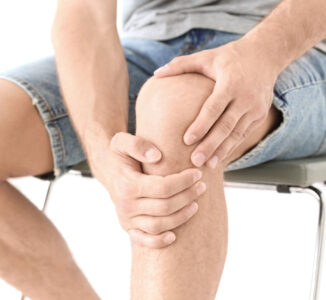 Our knees handle an immense amount of stress each day as we run and walk, and if you develop pain or discomfort in your knees, it can make movement downright difficult. And while knee replacement operations are available for severe knee joint deterioration, you may be able to avoid surgery and alleviate symptoms if you know how to treat chronic knee pain when it first develops. In today’s blog, we share four tips for overcoming chronic knee pain.