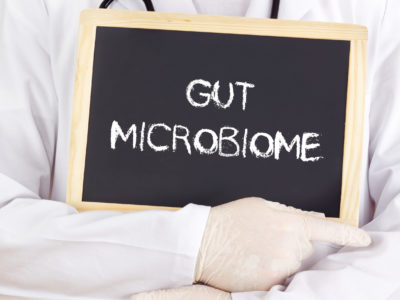
Gut Biomes Could Help Indicate Fibromyalgia

gut microbiomeNew research out of Canada found that individuals with fibromyalgia have different gut biomes compared to a control population, shining more light on the difficult to treat condition.

Gut biomes are made up of microorganisms in our gastrointestinal tract and help with bodily processes like vitamin and nutrient absorption, our metabolism, enzyme synthesis, the production of short-chain fatty acids and other health functions. According to new research, the bacteria that make up this internal microbiome are different than normal in patients with fibromyalgia, possibly explaining why the condition causes them problems and why symptoms can be so severe.

“The abundance of some of these bacterial species correlates with the severity of fibromyalgia symptoms—pain, fatigue, cognitive symptoms and impaired sleep,” said first author Amir Minerbi, MD, PhD.  “The demonstration of objective findings separating fibromyalgia patients from healthy controls provides convincing evidence that fibromyalgia is a real syndrome.”

Gut Study

For their research, patients used artificial intelligence to analyze the microbiomes of 77 women with fibromyalgia and 79 healthy controls. After adjusting for potential variables like medications, diet and physical therapy, researchers found some interesting differences between the two.

“Variance in the composition of the microbiomes was explained by fibromyalgia-related variables more than by any other innate or environmental variable,” researchers wrote in their report.

Now that we’re aware of the differences, the next set is analyzing the microbiomes and parsing out tests on smaller scales to see if we can identify certain biomarkers in biomes that contribute to an onset or increase in fibromyalgia symptoms. Researchers also believe that patients with fibromyalgia can attempt to adjust their nutritional intake to see if certain foods improve or aggravate symptoms. Food alone isn’t the only way to manage fibromyalgia, but nutrient intake and absorption is an avenue to consider if you’re dealing with painful symptoms related to fibromyaglia.

At the end of the day, there’s still plenty we need to learn about how our microbiomes impact our overall health, but there seems to be a clear link between gut health and fibromyalgia onset. At a minimum, it’s a starting point for furthering our understanding of the condition, and if all goes as planned with future studies, we’ll be able to better understand the relationship between the two in order to provide better care for patients dealing with the difficult to treat condition.
Medical Marijuana Approved For Chronic Pain Patients In Minnesota

medical marijuana chronic painEarlier this week, Minnesota regulators announced an expansion to the state’s medical marijuana program, as they added chronic pain and age-related macular degeneration to the list of conditions that can make a person eligible for treatment. The state’s Health Department also said they planned to expand to more sites so patients can have easier access to medical marijuana.

This is a large expansion for the relatively young medical cannabis program here in Minnesota, which began back in 2014. Back then, only nine conditions made the original list of approved conditions. Now, the program has expanded to include conditions like:

  • PTSD
  • Cancer
  • Sleep Apnea
  • Chronic Pain
  • Macular Degeneration

Health Commissioner Jan Malcolm said the new conditions were added to give individuals more ways to deal with debilitating illnesses.

“Minnesota’s medical cannabis program tracks patient experiences so we can learn about the real-world benefits and downsides of using medical cannabis for various conditions,” she said in a statement. “The bottom line is that people suffering from these serious conditions may be helped by participating in the program, and we felt it was important to give them the opportunity to seek that relief.”

How To Get Medical Marijuana For Chronic Pain

The changes don’t go into effect until August, so you’ll still need to wait until the second half of next year in order to get medical marijuana for chronic pain. Under the program’s regulations, you’ll also need to get a doctor’s diagnosis in order to be eligible for the medical cannabis program. The state believes it will be easier for patients to get medical approval for chronic pain than for intractable pain, which was already on the approved list, because intractable pain is defined as pain that cannot be removed, only managed, and many doctors are hesitant to slap the label of incurable on a patient.

The state’s acting medical cannabis program director believes there will be a sizable boost in the amount of patients in the program once August rolls around.

“We do know that 20 percent of the U.S. adult population suffers from chronic pain, and so we could apply those numbers to Minnesota’s population, and of course it would be a smaller subset of folks that would be even interested in trying our program,” said program director Chris Tholkes.

It’s interesting to note that while chronic pain and age-related macular degeneration made the list of approved conditions, four other conditions were rejected. Those conditions that didn’t make the cut were anxiety, insomnia, psoriasis and traumatic brain injury.

We’ll continue to share news related to this change as August approaches as we get ready for what we expect to be a sizable shift in how certain patients with chronic pain try to manage their condition.

How To Keep Chronic Pain From Ruining Your Thanksgiving

thanksgiving chronic painThanksgiving is tomorrow, and if you’re like a lot of people, you’re either preparing to travel to or host a Thanksgiving meal. This can be stressful in and of itself, but that only becomes amplified if you regularly deal with chronic pain. We’re not saying that we can make sure your Thanksgiving holiday goes perfectly, but if you follow these tips, we can help give you a better chance of avoiding a chronic pain flareup when you’re with family and friends.
Thanksgiving and Chronic Pain

Here are a number of tips to keep in mind if you want to help give yourself the best chance of avoiding a chronic pain flareup on Thanksgiving.

1. Get Plenty of Sleep – No, we don’t mean gorge on turkey and let the tryptophan do what it does best, we mean get plenty of sleep the night before. You’re going to have a busy Thursday, so let your body prepare for what’s ahead with a good night’s sleep. Head to bed early, get rid of the distractions like your phone or TV, and strive to get some quality sleep before the big day.

2. Travel Well – A long ride in the car can lead to chronic pain flareups, so be smart about how you travel. Check out this expanded post for more tips, but some tips to remember include stretching before you hit the road and when you make pit stops, staying on top of your medications and having good posture when you’re in the car!

3. Eat Right – This is easier said than done, but try to put some healthy options on your plate when it’s time for the meal, and avoid overeating, as this can lead to problems like acid reflux and GERD. We’re not saying you need to pass on they turkey and ham, but maybe skip that second helping of pecan pie. Fatty and sugary foods can lead to the onset of localized inflammation, which can compress nerves and trigger chronic pain.

4. Move – After the meal, you may feel inclined to sit on the couch and take a nap, but fight those urges and move around a bit. Whether that means helping with the dishes, helping hang Christmas lights or taking part in the annual family football game, movement will help push healthy blood around your body. Movement can also prevent muscles from being overstressed by being held in the same position for a long period of time.

5. Stay Ahead Of Your Pain – If you have reason to believe a flareup may be around the corner, be proactive with your over-the-counter or prescription medications. Take as directed, but you know the warning signs of a flareup, so consider taking an anti-inflammatory if you want to stay ahead of your pain.

6. Put You First – Finally, at the end of the day, it’s important to put yourself and your health first. Don’t overdo it, and don’t try to hide your pain, because it will rear its head. If you need to lay down for a few minutes, excuse yourself and prioritize your health. If you need a minute away form the chaos that is Thanksgiving, throw on your coat and go for a short walk. Put your health first today, because it can get hectic quick.

For help with all your pain needs, reach out to Dr. Cohn’s office today.

Nanoparticles Could Make Opioids Obsolete For Chronic Pain

nanoparticlesPainkillers are currently used to treat a number of different pain conditions, but everyone knows they are far from a perfect solution. Traditional opioids carry a high risk of addiction and overdose, which is why researchers are so keen on finding another way to calm irritated nerves and help block nerve signals. With the help of nanoparticles, they may do just that.

According to an international team of researchers, we may soon be able to use nanoparticles to deliver drugs into specific compartments of nerve cells, allowing us to better treat pain while also reducing the risk of dependency that comes with traditional opioids. Researchers said the nanoparticle delivery method has proven successful in rats and mice, and they hope to improve the science so the results are replicable in humans.

“We have taken a drug—an FDA-approved anti-vomiting medication—and using a novel delivery method, improved its efficacy and duration of action in animal models of inflammatory pain and neuropathic pain,” said Nigel Bunnett, PhD, chair of the Department of Basic Science and Craniofacial Biology at New York University (NYU) College of Dentistry and the study’s senior author. “The discovery that nanoparticle encapsulation enhances and prolongs pain relief in laboratory animals provides opportunities for developing much-needed non-opioid therapies for pain.”

Nanoparticle Delivery

The team of researchers began by studying a family of proteins called G protein-coupled receptors, which are an area that are targeted by roughly one-third of clinically used drugs. The standard line of thinking was that these receptors function at the surface of nerve cells, but the team discovered that when activated, the cells moved within a compartment called the endosome. Inside the endosome, the receptors continue to function for prolonged periods, and this activity is what drives pain perception.

In their study, researchers narrowed their focus on a G protein couple receptor called the neurokinin 1 receptor.

“Major pharmaceutical companies had programs to develop neurokinin receptor antagonists for chronic diseases, including pain and depression. However, in human trials, things fell apart,” said Bunnett. “The neurokinin receptor is the poster child for failures in drug discovery to treat pain.”

Researchers believed that those drugs failed to provide relief because they were designed to block pain receptors at the surface level of the cells, not in the endosomes. But by turning to nanoparticles, researchers can deliver a neurokinin receptor blocker called aprepitant, which is an FDA-approved drug that is used to prevent nausea and vomiting. Essentially, these nanoparticles enter the nerves that transmit pain signals and release the neurokinin receptor blocker, halting pain. In clinical trials involving mice and rats, pain completely resolved or resolved for longer periods compared to opioids and other traditional treatments. By using this technology, it also minimizes the dosage needed, which can help to prevent traditional side effects.

Researchers hope that these results can be mimicked in clinical trials involving humans, and they hope to further their understanding by eventually only targeting the nerve cells that sense pain, as this would lead to even smaller doses. Hopefully they are successful, because we can always use more effective and less dangerous ways of controlling chronic pain.

What Pain Patients Want From Their Doctors

opioids doctor

Last weekend in the StarTribune there was an editorial on opioids and pain from a neurologist and Chief Medical Officer Regions Hospital. It seemed a bit self-congratulatory about how great he is doing at reducing opioids and how unnecessary they are in most pain situations. It is great to talk about not using opioid medications especially for chronic pain, however if the main job one has is to be a pain medicine specialist, a better understanding of pain and its impact on an individual’s life is needed.

The article brags how many fewer opioid prescriptions have been written by HealthPartners clinics. By the sounds of it, no one was educated on treating pain and way too many scripts were being written. Physician education on management strategies for pain is woeful and minimal time in medical school and residency is spent on training physicians about pain. The best strategy to prevent chronic pain is to aggressively treat acute pain and prevent chronic symptoms from developing. Use a comprehensive strategy early and reduce the impact of pain. Opioids are just one of many tools to treat symptoms, and many better tools are available and should be employed.

Nobody enjoys having pain. Convincing someone that pain is normal is one of the worst strategies to reduce opioid use and abuse. Patients with pain do not want to be told pain is normal, they want their physicians to help determine what is wrong and find good ways to reduce symptoms to a manageable level. Telling a patient pain is normal just informs the patient as a physician you do not care what is wrong and whatever you tell the patient next, they already have the expectation that you have only your own agenda and not their interest first.

Reading the editorial as a pain physician, it was maddening to see the lack of knowledge with regards to how patients feel about their medical problems. Almost everyone knows about the opioid epidemic, but when one has pain, they want compassion, respect and help with understanding their problem finding solutions. They do not want to hear about opioid problems. They want a physician that will help lead them to answers, listen to what they are saying and give them a pathway to improvement. The expectation is that physicians have answers beyond opioids these days, and from a patient’s perspective, bragging about your reduction of the use of these medications is snobbery. Solve the patient’s problem and be empathetic. As a medical big wig, tell your insurance company to pay for proven alternative solutions and give the clinical doctor the ability to use all the tools necessary to help their patients without fighting your bureaucracy.