 Research has shown that middle-aged women are more likely to experience chronic pain than middle-aged men, and a new study suggests that menopause may play a role in that pain expression.
For the study, researchers with the Veterans Affairs took a closer look at the health data of more than 200,000 female veterans between the age of 45 and 64. In that group, researchers found that women with menopause symptoms were nearly twice as likely to have chronic pain and additional chronic pain diagnoses.
“Changing levels of hormones around menopause have complex interactions with pain modulation and pain sensitivity, which may be associated with vulnerability to either the development or exacerbation of pain conditions,” says JoAnn Pinkerton, MD, Executive Director of the North American Menopause Society (NAMS). “This study suggests that menopause symptom burden may also be related to chronic pain experience.”
Menopause and Chronic Pain
However, hormonal changes weren’t the only factor driving an increased likelihood of chronic pain conditions. Other factors include:
- Being overweight or obese
- Having a mental health diagnosis
Researchers found that 18 percent of women with chronic pain had been diagnosed with PTSD, 15 percent had anxiety and 13 percent suffered from depression. The above factors go hand in hand with menopause and aging, which often include weight gain, decreased physical activity, mood changes and impaired sleep, which can all also affect pain sensitivity and pain tolerance.
“Both chronic pain and menopause symptoms are strongly and consistently associated with psychosocial factors and health risk behaviors prevalent in and after the menopause transition,” said study lead author Carolyn Gibson, PhD, San Francisco VA Health Care System. “Consideration should be given to integrated approaches to comprehensive care for midlife and older women with chronic pain, such as targeted cognitive behavioral therapy coordinated with interdisciplinary care providers.”
This is not the first study to find a link between menopause and certain health conditions. A large study conducted last year found a strong association between the onset of menopause and rheumatoid arthritis. The study also found that menopause was associated with a worsening progression of rheumatoid arthritis, and post-menopausal women with RA had a significant increase in functional physical decline.
If you are getting nearly menopause or working through it, it’s more important than ever to focus on aspects of your health that can help reduce pain sensitivity. Make sure you are eating a healthy diet and getting plenty of regular exercise, and be sure to talk to your pain specialist if you have any questions or need assistance with an issue!
 The Food and Drug Administration has announced that it will require drug companies to conduct studies to determine if prescription opioids are effective in
  A team of scientists at Dartmouth College have developed what they believe is the future of implantable devices. Their dime-sized device turns kinetic energy of the heart into electricity that can power pacemakers and other implantable devices.
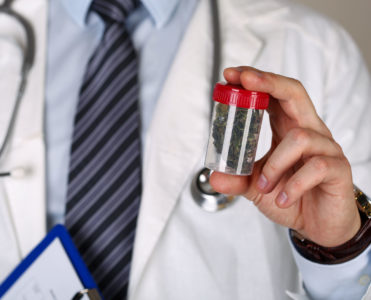 A new study found that chronic pain was the most common reason why individuals in state-approved medical marijuana programs turned to cannabis to help with their health condition.
 Many people who have chronic pain wonder why we just do not have a test to prove they have pain. To every person who has pain, it is obvious that something is wrong. With so many people having pain, most people wonder why there is no test for it. It is considered so important that it has been termed the fifth vital sign. The other vitals like pulse or blood pressure can all be measured, so when are we going to be able to measure pain?