Strength Training For Chronic Pain Control

strength trainingThis is part two of our three part blog series on how exercise can help control chronic pain. For part one, click here. Part three will be available in a few days.

One essential component of a fitness program is having adequate strength for performing activities. Many athletes and young adults equate fitness with absolute power-type strength. The gauge of strength is how much one can lift for a single time. Often it is free weights on a bar. The goal is often to build up muscle bulk to be able to look good. This may be fine for young adults, but for most everyone a better goal is to maintain good strength and not excessive bulk throughout the body. Strength of muscles is necessary for us to have the ability to withstand the daily demands on our bodies.

Benefits of Strength Training

The studies on strength training are great for a variety of different health benefits. A longer life, lower cardiovascular risk, reduced risk of bone fractures and cancer have all been associated with twice a week strength and resistance training program. Healthy muscle also increases your metabolism and can be helpful in weight control. Good strength of muscles also reduces the risk of injuries to muscles, tendons, and joints. All these benefits are due to the fact that muscles are essential to keep us active, and strong muscles are essential for us to perform almost every function in life.

Strength training does not necessarily need a lot of training or equipment. If you have any medical issues, before you start, see your physician. If you have had significant problems with just being able to do simple activities, starting with a program with a physical therapist is often beneficial such that one learns how to build muscle strength appropriately and work on all your weak areas.

Beginning A Program

The first step is to commit to an exercise program. A good program will work a variety of muscles like upper body, arms, lower body, legs, neck and core muscles. Starting out at a fitness center often is helpful since they usually will have a variety of equipment and also will have athletic trainers on staff. Having a few sessions with a trainer can teach you how to use different equipment correctly, good mechanics to prevent injury, and help one develop a rounded program to do on your own. Starting slow with low weight and not stressing the body too much is important. It is okay to be sore after a workout, but your pain should not need to be medicated or continue into the next day.

For the self starter, most smartphones have numerous apps available with information on a variety of routines for strengthening. There is also a wide variety of information available on the internet for strength or resistance exercises and there are numerous books also available.  

Using the body position and gravity is a great way to start a strengthening program. Dividing up the exercises by region helps develop a balanced program that will involve the majority of the muscle groups.

  • For the lower body – leg squats are excellent. Keeping the head upright, bend down slowly at the hips and knees, maintain the feet flat on the ground with the weight back on the heels. Lower yourself down, stop for a second then return to full standing and up onto the toes, then repeat. This works most of the muscles from the butt, hips, through the upper and lower legs to the feet. Repeating slowly for 7-10 times in a row does the lower half of the body. Doing two or three sets of these is a significant workout for this region.
  • The back and core muscles which include the abdominal wall can be worked with several exercises. One of the simplest is doing a plank. Begin on a mat or carpeted floor, starting in face down position. Prop yourself up on your bent forearms with your legs fully extended and up on your toes. Keep the body in a straight line like a board and do not push up your hips or let the back sag. Maintain this position for 30-45 seconds and repeat this again two or three times. Once this is easy, you can change it up by balancing on one arm or leg, raising a leg and holding it, doing it on your side, or even using a wobble board for either the arms or legs.
  • Abdominal muscles and hips can be worked by lying on the back and doing leg raises, holding the legs straight out and stiff with your heals held 6-12 inches off the ground. Opening and closing the legs and raising them all the way up works the hips and pelvic muscles. Also, abdominal crunches, by lying on your back and slightly raising the upper back builds abdominal muscles. Adding a twist to the crunches in each direction further engages more abdominal muscles.
  • The upper back, shoulder and arm muscles are strengthened safely with resistance bands. Using these is often easier, simpler and safer then getting other bulky equipment. A set of bands or rubber tubing with a variety of strengths, a door to anchor the loop bands through, handles and a simple instruction book can be found on the internet for about fifty dollars. For the shoulders and upper body, anchor the bands from the top of the door. With your back towards the door, exercises include bringing the bands from a position held upwards with the arms and extending to down straight to waist level. Resistance can be adjusted by how much starting tension one has on the bands. Next hold the bands with tension to the chest and bend forward at the waist tensioning upper and lower back muscles. The last set, slowly extend both arms from a bent position to straight out and back like a push up while standing. Once finished while having your back toward the door, turn and face the door and one can do a pull down exercise with the arms standing and kneeling for the upper arms and shoulders. The resistance bands can also be anchored in the side of the door, and a butterfly exercises of the arms can be done facing toward the door and with the back toward the door.

A strengthening program like the one described above can be done in twenty to thirty minutes. It will work the majority of muscles in the body and does not require significant amounts of equipment. When the exercise becomes easy, adding the use of small hand and leg weights ranging from 2-10 pounds can increase the challenge inexpensively. Committing to a strengthening program is one component of a overall fitness program.

Stretching as an Exercise Routine

stretchingBelow is part one of a three part series on exercise to control chronic pain. Part one is on stretching, and the next two parts will be on developing an exercise program and the importance of conditioning.
As part of any good exercise program for pain and general conditioning, stretching is an essential component. The other parts are strengthening and aerobic conditioning. Stretching maintains range of motion and proper muscle and tendon length. Poor range of motion with tight tendons, ligaments and muscles often lead to pain.

Stretching can be done as an independent component of an overall program or integrated into an overall program. There are very few restrictions on stretching, but find a system that works for you. A lot of people with back pain have trouble at night and first thing in the morning. Stretching for several minutes before bed and first thing in the morning is often helpful. If you’d like to integrate a stretching program with strengthening, consider yoga and Pilates routines since these will include good stretching routines.

Stretching and Your Needs

Depending on your needs, stretching can be done for any area of the body. If you are a book person, there is one titled “Stretching” by Robert Anderson that covers any region of the body. Nowadays, everyone seems to have a smart phone and with a simple search of the App Store, multiple apps can be found on proper stretching techniques. You can also search the web for information. The Princeton University physical therapy site has good information for neck and low back regions.

For those who have low back pain, a thorough stretching program can significantly help control pain. Often a large portion of symptoms are related to tight muscles in the core and lower half of the body. Stretching needs to include all areas of the low back and legs. In general, it will include flexor muscles as well as extensor. Most people concentrate on increasing flexion of the body to loosen the low back, but ignoring the extensor muscles may leave one prone to hip and pelvic pain.

Stretching in low back pain patients can often open up the neuroforamina where the nerve roots exit the spine and relieve pinched nerves. Just bending forward and touching the toes or the floor while standing does a good job to stretch the low back and legs. 10-30 seconds of a slow stretch may reduce muscle spasms and pain, allowing one to continue activity for a prolonged period. With a diagnosis of lumbar spinal stenosis, simple forward stretches may reduce pinching of the nerves and allow ongoing activity such as walking with minimal pain symptoms.

Stretching Devices

Stretching can also be done in more formal ways using techniques such as traction, massage and adjustments or manipulation of the body. Traction requires a device to appropriately stretch the neck or low back regions. Neck traction devices that are good include those manufactured by Saunders or Pronex and usually should be prescribed by a healthcare provider  Lumbar traction can be done with fancy traction devices often used by chiropractors or by using an inversion table. The inversion tables are generally safe as long as they are well built and one is securely restrained at the ankles. Deep tissue massage and chiropractic or osteopathic type adjustments can also be part of a stretching routine.

Stretching on long term basis should ideally be part of an individual’s program that is able to be performed on your own at home. Sometimes equipment is beneficial, but for most people just a set of exercises should be sufficient. Physical therapy may help if you have not been able to move well and are afraid of more pain if you try to move. Stretching is not hard if you are self motivated and willing to learn on your own. If you have pain or are afraid of injury, get help, whether it is from a healthcare professional, physical therapist, or other person.

Psychiatric Disorders and Pain Perception

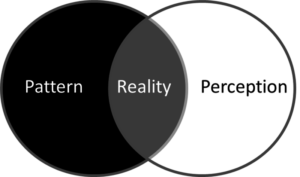
pain perceptionChronic pain clearly isn’t just in your head, but according to a new study, psychiatric disorders or mental health issues may lead to an uptick in perceived conditions.

For their study, researchers in Brazil examined more than 200 individuals who believed they were suffering from Gastroesophageal Reflux Disease, or GERD. GERD is very similar to chronic acid reflux, where patients suffer a burning sensation when stomach acid makes its way back through the esophageal sphincter and into their lower esophagus. All individuals received a comprehensive medical exam and were asked to complete a 14-question survey that analyzed their mental health for signs of depression or anxiety.

Anxiety, Depression and Pain Perception

After completing the medical exams and reviewing the survey results, researchers came to an interesting conclusion. Nearly half of the patients who reported having anxiety or depression had normal acidic pH values in their esophagus, suggesting that they most like did not have GERD. However, this doesn’t mean that patients are crying wolf about their perceived symptoms.

“Patients with anxiety and depression or other mental health issues display a ‘hypervigilance’ or ‘hypersensitivity’ to pain sensations,” said lead researcher Dr. Fernando Herbella.

Moreover, researchers uncovered an inverse relationship between anxiety levels and esophageal pH; the more anxious a patient was, the less damage they had in their esophageal lining.

Dr. Vic Velanovich, a co-author on the study, offered a neurological explanation for the link between mental disorders and pain perception.

“It’s called the ‘pain modulation network.’ Pain is converted to electrical signals that travel to the brain. It’s interpreted there by the frontal cortex. So anything happening in the frontal cortex, including mental disorders, makes pain perception worse.”

The subject matter is near and dear to Dr. Velanovich, who worked on a similar study back in 2011. In that study, Dr. Velanovich studied patient satisfaction after GERD surgery. Most notably, surgery satisfied 93.5 percent of patients without psychiatric disorders, but only 11.1 percent of patients with a disorder.

“It was a classic ‘nocebo’ effect,” Velanovich says. “For both groups of patients the GERD pain was greatly relieved. But only anxious patients found the aftereffects of the surgery intolerable. Which tells me that there’s something else going on.”

These two studies highlight the importance of getting a comprehensive medical diagnosis by a pain care provider who knows all the signs to watch for. Unless all the underlying issues are treated, you’re not going to acheive full relief. To learn more about the association between mental health and the perception of chronic pain, or to talk to a specialist about another issue, reach out to Dr. Cohn today.

How Much Sleep Is Chronic Pain Costing You?

sleep chronic painIn order to fall asleep, we usually need to have a calm physical and mental presence, and that can be very difficult to achieve if you have chronic pain. Chronic pain conditions can make it difficult for patients to not only fall asleep, but stay asleep. In order to get a better understanding of how chronic pain affects the amount of sleep we receive, we turn to two recent studies on the matter.

Chronic Pain and Sleep Deprivation

For the first study, the National Sleep Foundation wanted to see how chronic pain impacted sleep duration and sleep quality. After looking at the data, researchers found that individuals with chronic pain had an average of a 42-minute sleep deficit between the amount of sleep they need and the amount they are getting.

“The relationship between pain and sleep is complex, as the consequences of sleep problems can affect perception to pain and, in turn, pain can interfere with sleep quality,” said Professor Robert Landewe, Chairperson of the Scientific Programme Committee, EULAR. “This is why these studies are important as they help elucidate the role of sleep in chronic pain and highlight it as a potentially important modifiable risk factor for alleviating the distress in these patients.”

Researchers also wanted to see if sleep problems could predict the eventual onset of chronic pain. The four sleep factors they analyzed were:

  • Initiating Sleep
  • Maintaining Sleep
  • Early Morning Waking
  • Non-Restorative Sleep

According to researchers, all factors except early morning waking predicted the onset of chronic widespread pain at 18 years.

“Our results demonstrate that sleep problems are an important predictor for chronic pain prognosis and highlight the importance of the assessment of sleep quality in the clinics,” said Katarina Aili, PhD, of the Spenshult Research and Development Center in Sweden.

Anxiety and Chronic Pain

In the second study, researchers explored the link between chronic pain, anxiety and the inability to achieve restful sleep. When compared with a normal population, individuals with chronic pain were much more likely to report both anxiety and severe sleep problems.

“Although the relationship between sleep and pain is complex, our results clearly indicate a strong association which needs to be explored further,” said Julia S. Malmborg, PhD student at Halmstad University. “As both problems affect the physiological and psychological well-being of sufferers we hope that these results will be used by school health professionals to promote student health.”

Getting good sleep is hard enough before chronic pain gets in the way, but if you want to give yourself the best chance to fall asleep and stay asleep, consider the following tips:

  • Avoid caffeine within three hours of going to bed.
  • Avoid working out right before bed.
  • Make the bedroom as dark as possible.
  • Turn off distractions like the television or your phone.
  • Invest in a supportive mattress and pillow.
  • Keep the bedroom temperature cool.

For more tips on maintaining healthy sleep if you have chronic pain, reach out to Dr. Cohn today.

Have Chronic Pain? There’s An App For That

Each day, millions of Americans battle a chronic pain condition or rehab a previous injury. If you’re one of them, you’ve probably done your research online and listened to your doctor’s instructions about caring for the injury. Those are great ways to manage your condition, but technology is making it easier for us to stay connected with our care plan when we’re on the go.

If you have a smartphone, you’re only a couple of clicks away from being able to access thousands of different apps that are designed to help you control and treat your pain condition. But how can you sort the good apps from the ones that aren’t worth your time?

The Best Chronic Pain Apps

To answer that question, we turn to our friends at Burning Nights CRPS. We’ve shared some of their stuff on our blog in the past, and they always share useful information for chronic pain sufferers. Their latest infographic is no different. In this infographic, they take a look at six of the most useful apps for chronic pain sufferers.

From helping to coordinate a physical therapy plan to helping you track your progress with a pain journal, the apps highlighted in this infographic can be very useful to anyone who is trying to put a chronic pain condition behind them. Give it a look, and don’t forget to check out Burning Nights CRPS for more information on all things chronic pain!

chronic pain apps