When it comes to chronic pain, one thing is clear – You are not alone. In fact, chronic pain affects roughly one in three people in the world. Whether it’s a sore back, neck pain or complex regional pain syndrome, we all deal with different kinds of pain. But just because our pain is different, doesn’t mean we’re not all going through something similar.
To help illustrate this point, we turn to our friends at WallMassagers.com. They specialize in pain management tools and they’ve created this wonderful infographic to help explain just how widespread chronic pain is in the United States. Check out the infographic below!
I have been known to preach a little about the work it takes to control pain. It is not about taking a pill or just going to therapy and it will all be better. I often offer advice and I rarely cut people a lot of slack. I also do not like opioid medications, but that is for obvious reasons related to effectiveness and addiction. But most people wonder if I actually understand pain. The answer is yes, I deal with my own issues daily, but my patients are not paying to listen to me complain. The reality is I had to learn what works for me to manage my issues.
My Pain Story
My story started in medical school. Keeping in shape was important just to have the energy to spend countless hours in class and studying. At one point, a housemate convinced me to try weightlifting. The second time I tried I had the weights in the wrong position, lost my balance, and took out my back. I probably herniated a disc in my lower back, but there were no scans available then. I did therapy and over months it became manageable most of the time, not slowing me down if I was generally careful and not doing stupid things.
In my mid forties, 20 years later, my back started to become more noticeable. I had regular low back pain, and it started to frequently radiate down the leg. I gave up on running since that set it off, and just tried to keep in reasonable shape. This worked until I was in my late forties, and then finally I had a MRI scan that showed a significant slippage at the bottom of the spine, a disc that was pretty much shot and a lot of narrowing where the nerves exit the spine. The radiologist that read the scan had only one question for me, and that when was I thinking about having surgery. Surgery had not crossed my mind since my issue was pain. I decided to follow the advice I had given others; If there was no weakness and no loss of bowel or bladder control, surgery was not the answer.
Conservative management was my goal. I had a couple of lumbar epidurals that brought down the worst pain and I did a few physical therapy sessions and they gave me a ton of exercises. The exercises were repetitive, and they seemed to be focused on the same muscles, doing all of them took about 40 minutes and they were boring. As the pain improved, I gave up on the program. Within 18 months the pain was again bad and I had another epidural, but I thought I needed to condense the exercise program. I narrowed it down to a set of core exercises that were all different parts of my core muscles, and I added a stretching regimen. Core work was about 10-20 minutes depending on what I did, and stretching was only about 5-10 minutes at the most.
My kids were hockey players, and my daughter had scoliosis and had exercises and a balance board. When I tried the balance stuff, I was terrible and it proved to me I needed to work more on core. I also felt since I was getting old, general strengthening would be a good thing to add to my workouts to reduce muscle loss. Lastly, I needed to also throw in general aerobic conditioning to maintain cardiac health.
Finding What Works For Me
The workout for the last few years has been pretty consistent. I start every day pretty early to get it done. After I climb out of bed, I stretch for a couple of minutes, and my dog gets a belly rub while I loosen up my back. After that comes core work that includes planks on a balance board, sit-ups, leg lifts and upper body/core with rubber tubing. I use a universal gym machine for additional strengthening and a roman chair device for abdominal work and pull-ups. Cardiac/aerobic workouts rotate between an elliptical, bike and rowing machine doing intervals. The rowing machine is the most recent addition. It supposedly works 85 percent of all your muscles, and it really seems to loosen things up and get the body moving well without stressing things out. During the summer I get outdoors and bicycle. Since I have a big dog, she gets twice a day walks daily year around.
As with everyone, as we get older, we all start to gain weight. I like to eat, and often enjoy snacking on junk food. Eventually my wife convinced me that I needed to change my habits. I had to stop eating as much carbohydrates, eat more vegetables and protein, and get rid of sugary drinks and snacks. I am no where near the weight I was in college, but I think I probably have more upper body muscle and some extra gut, but I have lost a few pounds.
For most people with back pain, sleep is a huge problem. Like many, I never feel well rested. I used to be a stomach sleeper, but with my back, extension is the worst position and that is absolutely out. Side or back sleeping is feasible. Multiple pillows are my best friends keeping my knees bent while on the back, between the legs while on the side, and adjusted under my neck to keep that in a neutral position. A good memory foam pad adds to the comfort level to help relieve pressure points. I am not a deep sleeper, and after four hours stiffness often wakes me up. Instead of fighting it, I get up and stretch for just a few seconds, and then go back to bed and I can sleep for several more hours. For me, sleeping over 7.5 hours just hurts my back, so I get moving after that amount of time. To fall asleep, I do not do work right before bed, I do some reading and try to clear my mind of anything serious.
Like everyone else who has back pain, I have to take care of my back. It is not easy to do, but it is a priority to stay healthy. It would probably help me if I could figure out how to get more sleep at night since some experts say this is good for general health. Maybe I should try to meditate, but this would also take time, and I am not yet into that either. I may spend to much time exercising, but a large part of it is walking my dog, and someone has to do it. Eating a more healthy diet has reduced my weight slightly. To lose more weight, another major change and reduction in calorie intake would be necessary and no fun. Life is a matter of balancing multiple options. If you have pain, one of the best treatment options is a comprehensive exercise program. There will never be a magic solution for pain, it will always require lifestyle choices.
As someone who has dealt with both acute and chronic back pain, I understand why patients want to control certain aspects of their life. Chronic pain can lead to anxiety and stress, and oftentimes patients just want 5-10 minutes where they can turn their brains away from their pain and feel a little relief.
Unfortunately, some people turn to cigarettes for this relief, and while it may offer you short-term relief, it’s making it hard for you to achieve long-term relief from your chronic pain.
Smoking has been linked to cancer, but today we’re going to focus on its impact on your chronic pain. I understand where the smoker’s head is at, but here are two reasons why smoking is seriously jeopardizing your likelihood of ever solving your chronic pain problem.
Why Smoking Worsens Your Chronic Pain
Smoking does a number of different things to your body, but one specific side effect of smoking is the impairment of oxygen-rich blood to your bones and soft tissues. Think of it like watering your garden during a week-long drought. If you water your garden once during the middle of the week, the plants will get some nutrition, but they will also suffer because they need more water. If you watered your garden 3-4 times throughout the week, your plants would never be without nutrition and thus could grow and prosper.
The same thing happens when you smoke. Some oxygenated blood reaches the lower back, but more would help your body heal faster. Giving up smoking will ensure that more healthy blood reaches areas of pain, decreasing your likelihood of a flare up.
Along a similar vein, the second reason why smoking makes it harder to recover from a chronic pain situation is because smoking has been linked to fatigue and slower healing rates. Exercise is a great way to combat chronic pain, but if you are tired or unable to exercise for longer periods due to your smoking habits, your chronic pain is more likely to linger. Similarly, blood vessel restriction means that your body can’t always get the nutrients to heal as quickly. Chronic pain can easily become cyclical if smoking slows your body’s ability to heal, or if it contributes to the onset of other painful conditions, like arthritis or degenerative disc disease.
It’s easier said than done, but if you can kick the habit for a healthier one, odds are you’ll be amazed at the health improvements you’ll see. We understand the desire to find some control in what seems like an uncontrollable situation, but turning to cigarettes only makes the problem worse.
Most people who have chronic pain, no matter what the source, believe they are alone in the world and that no one has similar problems and no one in medicine can appreciate the problems they suffer. However, as I have often said, about 30 percent of the population in the world has problems of some type with pain. It is the same in the United States as it is in the undeveloped world in Africa or in the industrial world of Europe or Japan. If so many people have pain, a lot of people have similar types of problems and there are likely medical professionals that do understand pain problems. There are many types of medical professionals that see pain patients, including Chiropractors, Physical Therapists and Psychologists, to all kinds of physicians including Physiatrists to surgeons.
Who Should I See For My Pain?
The best person for one to see is someone who may understand whatever problems are causing pain. If the problem is simple, it may not matter who you see because many professionals understand and are trained on that care. The more complex the problem, the harder it becomes to find professionals who care and understand the issues and have the expertise to coordinate management. My personal bias for the complex patient is to find a pain clinic that is led by a specialist in Physical Medicine and Rehabilitation – a Physiatrist. These are the physicians that have been crossed trained across multiple specialties including internal medicine, rheumatology (arthritis), neurology and orthopedics among many disciplines. Most of these doctors are good at coordinating a team effort to help patients. As with any doctor or specialist, 90 percent of them will do a good job and 10 percent will be outstanding.
Finding an outstanding doctor is always difficult. Sometimes it is a gift of a good personality, others listen well, and some just have so much experience that they can help those who want help and are willing to work toward a solution. Every patient has a different need and many patients will define good doctors and professionals in their own ways. Some doctors just understand things better because they have been through the problems personally.
My Personal Experience
To tell the truth, when I was in my medical training, the experience I had treating pain patients was one of my least favorite areas. I always was looking for other things to treat, including pediatrics, spinal cord injuries, electrodiagnostics and inpatient rehabilitation. As I entered private practice 30 years ago, I did inpatient rehabilitation of devastating problems like stroke and spinal cord injury, and outpatient care of every type of medical problem that could cause pain. After about five years I was doing more outpatient than inpatient, and eventually I transitioned to all outpatient practice. Most of my patients had medical problems or injuries that somehow caused pain. Either I needed to get good with diagnosis and treatment or else find something else to do, so I worked at getting good at that special area.
Unfortunately as I became older, I not only became wiser, but also had back pain problems from an injury to my lumbar spine as a medical student when I tried weightlifting. I also saw close people around me have issues with pain, from my wife to all my children at times. Some of the problems have been easy to help manage, some I struggle with daily and are heartbreaking even for me. The most important thing about the overall experience is that it develops a level of empathy and knowledge that it takes a ton of work on both the patient’s part and the treating physician to provide good care and help with a management plan. Furthermore, for many people pain never goes away, but is something that gets managed. It is physical and it is mental, in your brain and it affects the perception of life. It can be time consuming, tiring and often it seems depressing. Despite all the problems, the reward is moving forward and seeing the world change.
If you have pain, you are part of a third of the world population who does have pain. There are many people out in this world that can help guide you through the maze of pain management. Finding the right person for you may take time. There are multiple choices and multiple providers that may help. Yes, some people are better than others, and some will be more helpful, and lastly you may not like some of the people who may actually have the best answers. Life is tough, but it will be a team effort to move forward, and the most important person to move forward is you.
We wanted to give you another quick update on the Daith piercing survey that a colleague of mine is running in order to help us better understand how the Daith piercing may help individuals with chronic headaches. This update won’t have a lot of information, but that’s a good thing. Medical journals are pretty picky when it comes to publishing studies that have already been published in another source, so in order to ensure the findings get shared in a major medical journal, this update can only speak in generalities.
Daith Piercing Update
That being said, this update is also encouraging. Over 1,000 people have taken part in the survey so far, and you still have time to do so if you haven’t taken it yet. You can participate in the survey by following this link and answering the questions on that page.
The results show very promising results when it comes to successful management of certain headaches with the Daith piercing. To be safe, that’s all we can really say right now, but we still need your help. My colleague Dr. Chris Blatchley, who is running the study, has created a second version of the Daith piercing survey to address some areas that he felt the first version did not adequately cover. If you are willing, please click here to take the second version of the survey. Regardless of whether you completed version one or not, it would be wonderful if you could take a couple of minutes to fill out the new version of the survey. The first version of the survey is no longer available, to the two links we’ve posted in this blog will take you to the same place.
Thank you so much for taking the time to help us get a better understanding of the Daith piercing and how it may be able to help certain patients. We promise to keep you updated about future studies, this study’s results, as well as when and where the full data analysis will be published. Thank you for your continued support, and please reach out to Dr. Blatchley if you have any questions. You can visit his website by clicking here.

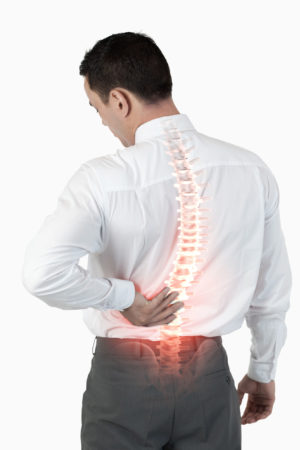 I have been known to preach a little about the work it takes to control pain. It is not about taking a pill or just going to therapy and it will all be better. I often offer advice and I rarely cut people a lot of slack. I also do not like opioid medications, but that is for obvious reasons related to effectiveness and addiction. But most people wonder if I actually understand pain. The answer is yes, I deal with my own issues daily, but my patients are not paying to listen to me complain. The reality is I had to learn what works for me to manage my issues.
 As someone who has dealt with both
  Most people who have chronic pain, no matter what the source, believe they are alone in the world and that no one has similar problems and no one in medicine can appreciate the problems they suffer. However, as I have often said, about 30 percent of the population in the world has problems of some type with pain. It is the same in the United States as it is in the undeveloped world in Africa or in the industrial world of Europe or Japan. If so many people have pain, a lot of people have similar types of problems and there are likely medical professionals that do understand pain problems. There are many types of medical professionals that see pain patients, including Chiropractors, Physical Therapists and Psychologists, to all kinds of physicians including Physiatrists to surgeons.
 We wanted to give you another quick update on the Daith piercing survey that a colleague of mine is running in order to help us better understand how the Daith piercing may help individuals with chronic headaches. This update won’t have a lot of information, but that’s a good thing. Medical journals are pretty picky when it comes to publishing studies that have already been published in another source, so in order to ensure the findings get shared in a major medical journal, this update can only speak in generalities.