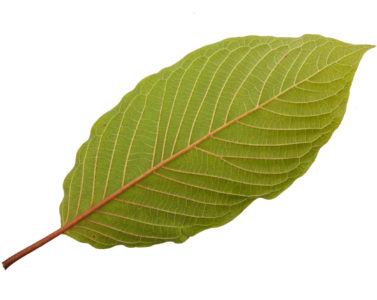
 Every once in a while the herbal supplement kratom makes the news. Last November the FDA decided to classify kratom as a schedule 1 drug like heroin or marijuana, but after some opportune lobbying, the decision was put on hold. It is a substance that has been around for hundreds of years, mainly in Southeast Asia, and what it is and what it does is still poorly understood. Recently, some have claimed that it has the potential to be helpful in managing pain and opioid withdrawal.
The Truth About Kratom
Kratom is an herbal substance derived from the leaves of a Southeast Asian tree of the Mitragyna species, which is an evergreen. The leaves are either chewed or used to make an extract. Traditionally, in Southeast Asian cultures it was used for wound healing, coughs, intestinal infections, and to relieve stress and enhance moods, especially for those in boring repetitive labors.
The effects of kratom are dose dependent. At a low dose it acts like a stimulant, and at moderate to high doses it can act like an opioid. Even at low doses it can cause problems like:
- anxiety
- agitation
- nausea
- loss of appetite
At high doses, especially on a frequent basis, serious side affects can occur similar to problems with opioids including hypertension, weight loss, constipation, and even seizures and psychosis. Sudden stopping of high dose kratom can mimic withdrawal from opioids. The full pharmacology has been studied only in animals.
Kratom was first reported as an opium substitute in Malaysia and Thailand in the early 1800’s. From the traditional use, it has now become an herbal substitute for opioids for either managing pain or for withdrawals. In most of the world its sale and use are either controlled or prohibited. In the United States, the DEA was going to list it as a Schedule 1 drug like heroin, but due to legislative pressure they decided to leave it alone. In November of 2017, the FDA noted concern about sales and marketing since it can have serious side effects. Further, there have been no quality scientific studies on the effectiveness of kratom for either pain or prevention of withdrawal.
Substances like kratom should be considered very carefully before use. Like any herbal substance, this is not a pure drug and its potency can vary. The difference between an herbal substance and a medication like ibuprofen or aspirin is the dose and chemistry is fairly well understood with predictable effects. A dose of a herbal substance like kratom may be variable and the effect can be as toxic as regular use of opioids.
There may be beneficial properties to kratom, and further actual scientific studies would be useful. Perhaps a pure extract someday may lead to a very helpful compound to treat pain. However, until further understanding is determined, kratom use may be fraught with the same issues of any other opioid-type compound.
 A recent opinion piece in the
  Chronic pain is difficult to manage for a variety of reasons, and pain is only part of the problem. Chronic pain disrupts your social life, and it can leave you feeling isolated or with feelings of loneliness. Maintaining a healthy mindset and combating these feelings of isolation are key in treating the whole issue of chronic pain. Today, we share some ways to avoid feeling alone if you’re dealing with a chronic condition.
 Opioid management is probably the most charged topic that we talk about frequently on our blog. Many of our patients and readers take some type of opioid medication to help manage their pain, and they get nervous or angry when they hear big government talk about restricting opioid access due to an increase in overdoses. The majority of people take their pain pills responsibly, and they are concerned that the minority who are abusing pills will make it impossible for them to get the opioids they depend on.
 Every physician is required to obtain continuing education credits. Depending on a when one was board certified, the types of boards one has, and what state you live in, the number of credits needed each year varies.