 Complex regional pain syndrome is one of the most vexing and difficult problems in the world of pain medicine. Traditionally it was thought to be a rare disorder that spontaneously affected some people especially after some sort of injury. Since it has been poorly understood, many pain practitioners have very limited experience and interest in trying to treat this condition. Many physicians actively try to avoid working with patients with the problem, others may try a few things but since they have limited knowledge and experience, they often end up giving up on trying to manage the problem. Luckily there are more than a few pain physicians who see the condition a lot and are becoming more successful with its management.
The thought leaders in pain medicine who treat CRPS seem to be some of the physicians who do a lot of work as interventional pain physicians who also take a very active role in diagnosis of their patients besides just providing treatments. The ability to fully evaluate a person is critical in understanding CRPS. The symptoms of CRPS always have a cause; it is not just a bunch of symptoms that lead to a painful extremity. It usually involves a structure in the body such as joint that is malfunctioning or a nerve in the area that is abnormally functioning. Treatment is needed to correct the structure that is not moving in the right way and to relieve the abnormal functioning of the nerves involved in the area.
The Challenges of CRPS
The first challenge is correcting the structural problems that often are orthopedic in nature that are wrong. The abnormal movement sends signals through the nervous system that something is wrong and often is interpreted by the brain as pain. These problems may start as simple degeneration like from a sprained ankle or a worn out knee. Most of the time, correcting the simple problems work, but if there are nerves malfunctioning in the area, possibly damaged by an injury or treatment, or more centrally also in the spine itself, then complex regional pain syndrome – CRPS may be manifested. The major challenge is finding the nerve problems correlated with the symptoms and finding a way to treat them.
Since CRPS often now is thought to involve peripheral nerve injury in the region of pain, then finding the nerve and extinguishing the signal from that location can sometimes effectively treat the problem. If the source of the pain is strictly peripheral, finding the right nerve and blocking that nerve proximal to the damage may stop the pain. In the last 1-2 years, technology has improved and techniques are now becoming available to electrically block isolated nerves in the extremities.
Spinal cord stimulation has been used to treat CRPS for years, and this is blocking signals more centrally at the spine. Now technology is allowing pain practitioners to more precisely block the nerves either as they exit the spine or superficially in the periphery with special implantable devices. Obtaining better pain control then involves the physician fully evaluating a person for all the places that may be contributing to sending painful sensory signals and then trying to find the simplest place to block the abnormal electrical signals such that they do not travel to the brain and signal pain and disaster to the brain. Further it means the physician who is going to be helpful in treating your pain must be fully evaluating the patient as well as working directly with the interventional techniques. A physician who is just providing injections or not fully involved in all aspects of pain management is unlikely to understand and be helpful in controlling symptoms in CRPS.
The understanding and treatment of CRPS is changing and with the right providers, pain control is often being significantly improved. This is not a mystery disease, but unfortunately not many physicians have seen enough of these types of problems to understand and manage the complex issues. Finding the right person is difficult, but the interventional pain physicians who see CRPS a lot, who actually evaluate their patients themselves and do the treatment may be the best source for a successful strategy toward treatment. The solutions sometimes are complex like the disease, but there are more and better treatments that are becoming available.
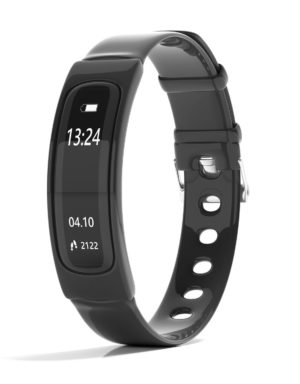 Most people have now heard of the daily 10,000 steps goal. It is the baseline average set for most fitness trackers on the market these days. This seems to be a magic number, but there is actually no scientific evidence behind it. The actual science pushes for 30-45 minutes a day of aerobic conditioning, which is recommended by the American Heart Association. There are numerous studies supporting aerobic conditioning for cardiovascular health and overall positive well-being. The 10,000 step goal was actually was just a marketing scheme for a Japanese pedometer first made in 1965. The pedometer had a Japanese name that translated to 10,000 steps, and the advertising campaign pushed that concept.
 As we explained
  Research has shown that middle-aged women are more likely to experience chronic pain than middle-aged men, and a new study suggests that menopause may play a role in that pain expression.
 A team of scientists at Dartmouth College have developed what they believe is the future of implantable devices. Their dime-sized device turns kinetic energy of the heart into electricity that can power pacemakers and other implantable devices.