Chocolate and Chronic Pain

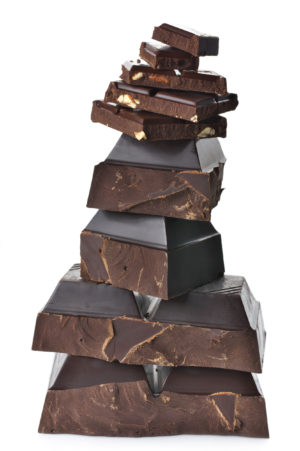
dark chocolateNew research presented at the Experimental Biology 2018 annual meeting found that chocolate may have some benefits for chronic pain sufferers.

According to the findings, dark chocolate (minimally 70% cacao, 30% organic cane sugar) can positively affect some factors that contribute to or that make chronic pain worse. Researchers say that dark chocolate has been associated with:

  • Decreased stress levels
  • Decreased inflammation
  • Improved mood
  • Improved memory
  • Increased bacterial immunity

“For years, we have looked at the influence of dark chocolate on neurological functions from the standpoint of sugar content – the more sugar, the happier we are,” said principal investigation Lee S. Berk, DrPH. “This is the first time that we have looked at the impact of large amounts of cacao in doses as small as a regular-sized chocolate bar in humans over short or long periods of time, and are encouraged by the findings. These studies show us that the higher the concentration of cacao, the more positive the impact on cognition, memory, mood, immunity and other beneficial effects.”

Dark Chocolate and Chronic Pain

Now, simply sitting in your recliner and munching away on a king size dark chocolate bar isn’t going to cure your rheumatoid arthritis, but in small doses when paired with other treatment modalities like exercise, weight loss and a healthy diet, you may notice some improvements in your condition.

The study looked at a lot of medically-dense responses in the body and brain, and they found that aside from an anti-inflammatory response, dark chocolate also increased brain neuroplasticity. Simply put, neuroplasticity is a good thing that affects our recall, memory and sensory perception. Researchers hope to pursue future studies that will take a closer look at exactly why dark chocolate has this cause-and-effect relationship with the brain and body, but currently they are pleased with what they’ve found so far.

So again, while a candy bar of dark chocolate a day isn’t a good substitute for a chronic pain management plan, adding a small intake of dark chocolate into your diet may help improve your mood and limit some symptom expression. So the next time you’re at the store, pick up a bar of Hersey’s Special Dark and reward yourself with a bite after you’ve completed a physical therapy session or another active pain management treatment. Not only will it taste good, but it can have whole body benefits!
Medical Marijuana For Stress, Anxiety and Depression

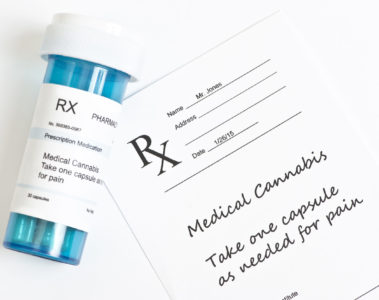
medical marijuanaIn a first-of-its-kind study, researchers at Washington State University examined how people’s self-reported levels of stress, anxiety and depression were affected by smoking different amounts and strains of cannabis at home.


The study, published in the most recent version of the Journal of Affective Disorders, found that smoking marijuana can significantly reduce levels of depression, anxiety and stress in the short term, but they also believe it may contribute to worse overall feelings of depression in the long term.

“Existing research on the effects of cannabis on depression, anxiety and stress are very rare and have almost exclusively been done with orally administered THC pills in a laboratory,” said Carrie Cuttler, clinical assistant professor of psychology at WSU and lead author of the study. “What is unique about our study is that we looked at actual inhaled cannabis by medical marijuana patients who were using it in the comfort of their own homes as opposed to a laboratory.”

Medical Marijuana and Stress

For the study, researchers tracked the varying concentrations of the chemical compounds tetrahydrocannabinol (THC) and cannabidiol (CBD) in different strains of medical marijuana. Patients smoked set amounts of different strains and self-reported feelings of stress, anxiety and depression twenty minutes after smoking. The study was conducted from the comfort of the participants’ home in hopes of mitigating any stress that may come with being in a lab setting. Here’s what else the study found:

  • One puff of cannabis that was high in CBD and low in THC was optimal for reducing levels of depression.
  • Two puffs of any type of cannabis was sufficient to reduce symptoms of anxiety.
  • 10 or more puffs of cannabis high in CBD and high in THC produced the largest reduction in stress.
  • Women reported a significantly greater reduction in anxiety following cannabis use.

Researchers say their findings help to shine a light on the importance of monitoring both CBD and THC levels.

“A lot of consumers seem to be under the false assumption that more THC is always better,” Cuttler said. “Our study shows that CBD is also a very important ingredient in cannabis and may augment some of the positive effects of THC.”

Cutter and colleagues used a multilevel modeling system to analyze more the different strains and the reported levels of anxiety and stress.

“This is to my knowledge one of the first scientific studies to provide guidance on the strains and quantities of cannabis people should be seeking out for reducing stress, anxiety and depression,” Cuttler said. “Currently, medical and recreational cannabis users rely on the advice of bud tenders whose recommendations are based off of anecdotal not scientific evidence.”

This is fascinating research, and any study that improves our knowledge of treatment modalities and can better help patients manage their physical or mental conditions is wonderful. WSU has more cannabis studies planned in the future, and hopefully they’ll continue to better our understanding of the effects of the substance in individual patients.

Opioids Are On Trial

opioids court trial

In a federal courtroom in Ohio a mammoth court case is being assembled. The victims of opioid abuse are going to be fighting the drug manufactures and distributors of opioids. The battle is for payment for the cost opioids have had on the communities. The injured parties range from individual communities to the federal government, and they are seeking money to cover the cost of all the problems related to the opioid epidemic. Simply put, this is the opioid equivalent to the tobacco lawsuit that sought damages for the effects of smoking. The case is being heard in federal district court in Cleveland, Ohio.

The Court Case

The plaintiffs are suing for relief from all the companies responsible for placing opioid medications into the community. The suit has wide ranging claims from that drug companies created a public nuisance, to that they used deceptive advertising. Others are claiming that companies violated consumer protection laws of many states. Further claims go as far as to suggest that the pharmaceutical companies, wholesalers and distributors acted like a criminal enterprise and had predatory practices to create sales and addiction.

The opioid epidemic is now killing more people than motor vehicle accidents. The big drug manufacturers of opioid medications have a long history of trying to persuade the public that these drugs are safe and rarely cause problems with addiction. They have spent huge sums to create a market for their products. The current cost to the public from the opioid epidemic is now running at $500 billion dollars a year. The costs are being paid by everyone in society. The medical costs are huge and stressing budgets at every level of government. Police and first responders are spending millions on everything from drugs to reverse overdoses to the expense of taking care of the dead. Furthermore, jails are becoming packed due to drug-related crimes, and the loss of productive members to society is staggering.

This is an extremely complex case that is moving forward in court. It is likely that this litigation will go on for years. There will probably be a settlement at some point but there will be no winners. Opioids do have some uses but they have been over-prescribed and have caused huge problems of addiction. As a pain practitioner, my wish is that more money is spent on pain research and non-opioid management. Hopefully we will stop losing lives and money to addiction and gain better pain treatment.

Opioid Prescriptions Dropped Significantly in 2017

opioids decreaseNew data shows that the number of prescriptions for opioid painkillers filled in the United States last year fell drastically, representing the biggest drop in 25 years.
The decline comes amid prescription restrictions and public education campaigns to help spread awareness of how opioids, when used incorrectly, can have harmful side effects. The report on the findings, which was released Thursday, shows a nine percent average drop nationwide in the number of prescriptions for opioids filled by retail and mail-order pharmacies.

Each state and Washington D.C. had at least a five percent decrease in opioid prescriptions. Declines were higher than 10 percent in 18 states, including all of New England, West Virginia and Pennsylvania.

“We’re at a really critical moment in the country when everybody’s paying attention to this issue,” said Michael Kleinrock, research director at IQVIA Institute for Human Data Science, which released the report. “People really don’t want them if they can avoid them.”

Drop In Opioid Prescriptions

Opioid prescriptions have been rising steadily since the mid-1990’s, with use peaking in 2011. The US far outpaced levels of other wealthy countries where national health systems are more strict about narcotic control. Overdoses and deaths from prescription opioids have been soaring in recent years, but advocacy groups, physicians and patients have been fighting back with increased educational strategies.

With all this said, opioids still do play an essential role in pain management for patients with chronic conditions. We are not against opioids when they are part of an integrated pain management plan, the problem becomes when doctors don’t take the time to educate their patients about their risks or conduct follow up checks to ensure patients aren’t in over their heads with their medication.

The downturn in opioid prescriptions is both good and bad. It’s a good sign that pill-mill doctors are getting exposed for what they are, but there’s also a decent chance that some chronic pain patients are struggling to get access to the medications they dearly need. It’s a double-edged sword, and there’s no perfect solution, but we should continue to push patient education so every person who takes a painkiller for their issue knows exactly what to expect and how to avoid a potentially serious issue.

Bulletproof Vest Technology Could Impact Joint Replacement

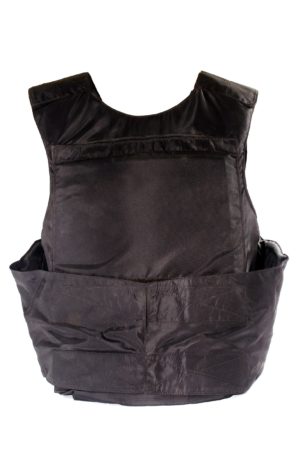
bulletproofRecently I found an article in Science News on an old material with a new use. The material is polymer that is similar to a fiber used in making bulletproof vests. Apparently, with some modifications, it has been made into a very tough material with similar toughness, stiffness, and water content as cartilage in the body. Cartilage is the material that covers bones and makes up joints in the body. The degenerative type of arthritis one gets as they age, osteoarthritis, involves the deterioration of cartilage. This is also the same wear that people have in their joints that leads to the need for joint replacement.

Artificial Disc Cartilage

Developing an artificial material that would replace the cartilage-on-bone in joints with the same or better properties of current joints is desirable. Instead of preforming total joint replacements, the worn cartilage could just be replaced. This would probably be much simpler and less risky. The artificial cartilage most likely could be used on any joint versus trying to make replacement type specific joints for each joint in the body. It most likely would just be a coating placed on the current cartilage as a replacement without the need to remove the old bone and joint structure. The main problem now is that we do not know yet how to make the material adhere to the bone.

The new material is what is called a hydrogel that is mostly water and contains microscopic aramid fibers. These fibers are what strengthen bulletproof vests. The material is made of either 70 percent or 92 percent water. It was able to maintain its shape when squeezed or stretched.  Best yet it exceeded the toughness and stiffness of real cartilage that is found in our bodies.

The new material is exciting since it has the properties to replace cartilage which is the main problem we have as we age since it deteriorates. Damaged cartilage is what leads to the joint pain that many people suffer. The unique material may also be able to be used in other structures like tendons, ligaments and possibly even discs in the spine. If we can figure out if the material can be integrated into the body without difficulty and can be attached solidly to bone, it has real potential.

Currently we do not know how well it will do in the body. The next phase of research is whether it will be safe and effective for use in animal or human bodies. Whether we have found the solution to age related degeneration or not, it is still too early to know. If the research does pan out it will be a wonderful solution to improve aging.