Kratom and Chronic Pain

kratomEvery once in a while the herbal supplement kratom makes the news. Last November the FDA decided to classify kratom as a schedule 1 drug like heroin or marijuana, but after some opportune lobbying, the decision was put on hold. It is a substance that has been around for hundreds of years, mainly in Southeast Asia, and what it is and what it does is still poorly understood. Recently, some have claimed that it has the potential to be helpful in managing pain and opioid withdrawal.

The Truth About Kratom

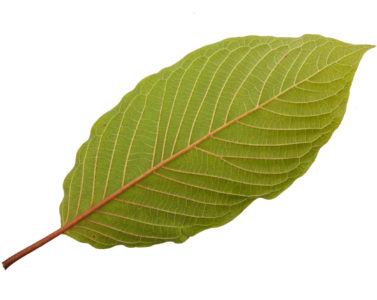
Kratom is an herbal substance derived from the leaves of a Southeast Asian tree of the Mitragyna species, which is an evergreen. The leaves are either chewed or used to make an extract. Traditionally, in Southeast Asian cultures it was used for wound healing, coughs, intestinal infections, and to relieve stress and enhance moods, especially for those in boring repetitive labors.

The effects of kratom are dose dependent. At a low dose it acts like a stimulant, and at moderate to high doses it can act like an opioid. Even at low doses it can cause problems like:

  • anxiety
  • agitation
  • nausea
  • loss of appetite

At high doses, especially on a frequent basis, serious side affects can occur similar to problems with opioids including hypertension, weight loss, constipation, and even seizures and psychosis. Sudden stopping of high dose kratom can mimic withdrawal from opioids. The full pharmacology has been studied only in animals.

Kratom was first reported as an opium substitute in Malaysia and Thailand in the early 1800’s. From the traditional use, it has now become an herbal substitute for opioids for either managing pain or for withdrawals. In most of the world its sale and use are either controlled or prohibited. In the United States, the DEA was going to list it as a Schedule 1 drug like heroin, but due to legislative pressure they decided to leave it alone. In November of 2017, the FDA noted concern about sales and marketing since it can have serious side effects. Further, there have been no quality scientific studies on the effectiveness of kratom for either pain or prevention of withdrawal.

Substances like kratom should be considered very carefully before use. Like any herbal substance, this is not a pure drug and its potency can vary. The difference between an herbal substance and a medication like ibuprofen or aspirin is the dose and chemistry is fairly well understood with predictable effects. A dose of a herbal substance like kratom may be variable and the effect can be as toxic as regular use of opioids.

There may be beneficial properties to kratom, and further actual scientific studies would be useful. Perhaps a pure extract someday may lead to a very helpful compound to treat pain. However, until further understanding is determined, kratom use may be fraught with the same issues of any other opioid-type compound.

The Gender Disparity of the Opioid Crisis

chronic pain pills womenA recent opinion piece in the Star Tribune shined a light on the problem different genders face in the opioid crisis, particularly the challenges faced by women.

One of the main talking points is that deaths from opioid overdoses have increased much faster for women than for men. Female deaths from opioid overdoses have increased 400 percent in recent years compared to 265 percent for men. Both of these numbers are very problematic, but it helps to show that the opioid crisis is affecting each gender differently.

When opioids affect women, it can oftentimes have a bigger trickle down affect than when it affects men. As the article states, in most American families the woman is the primary caregiver, and the woman’s well-being is often closely tied to the health and future of the children. Opioid abuse by the primary caregiver can often lead to problems down the road for the children, and it increases their likelihood of having their own battles with substance abuse. When opioids negatively affect women, it rarely impacts just one person.

Fixing The Problem

The article went on to suggest some ways to reduce opioid disparity and the larger problem of gender-based health disparities in the United States. Some of the proposed solutions include:

  • Addiction risk education for doctors and patients
  • More education has led to fewer opioid prescriptions and in some places, a downturn in overdose deaths
  • Better emergency room treatment
  • Education campaigns to change dosage standards for women
  • Increased doctor education in states where women disproportionately suffer from conditions like obesity, high blood pressure, diabetes, chronic pain and heart problems
  • Stop cutting insurance coverage for certain programs like Medicaid and Medicare

It’s clear that there’s no one-size-fits-all answer for fixing the opioid crisis and gender-based healthcare disparities throughout the country, but the first step is to help spread awareness that a problem exists. Then we need to put a plan of action in place and stop making the bottom line a higher priority than the health of the patient in our office.

Opioids certainly have a place to help patients when properly assigned and administered, but far too often they are being blindly prescribed and without safety measures in place if abuse begins. The Star Tribune article is a step in the right direction by calling attention to the problem, but now we need doctors, patients and our legislatures to follow through. For the sake of women and families across the country, I hope we can work towards a solution.

How To Be Realistic About New Year’s Resolutions

new years resolutionsIt’s the beginning of a new year,  and we all need to be realistic and open to looking at ways to improve ourselves. It is not an easy proposition, but with a little devotion it can be done. Take sometime now and begin by writing down tangible things you want in the next year, and then begin planning how you will achieve those goals. Look at the different aspects of your life from work to home life, and figure out what would you like to see change.
How To Make These Changes Happen

The first thing about change is to be realistic. Weight loss and exercise are some of the most common areas people want to be change. If you gained 50 pounds over the last five to ten years, it is unlikely that in 3-6 months that you will permanently lose the weight. However, losing a pound a week with a plan that involves changing your food intake, exercise, and having support of others and more knowledge of what has led to weight gain, may lead to success.  

To be successful one also has to make the time for the change to happen. If exercising daily is a goal, sitting for an hour watching TV may have to change. You need to look at your current schedule and see what can be changed to make something happen. Further, do not fight with yourself. If you are not a morning person, do not try to wake up extra early to exercise since it is unlikely to happen. Find a time like after work and make it a priority, and combine it with something you like doing, such as watching TV at the same time or maybe listening to audio books.

Having help to make a change in your life is useful and motivating. Being part of a community with similar goals can help drive you through positive social connections. Sharing the challenge of exercise or weight loss with others who have the same desires can push you forward when you may have doubts. A team of support and friends to share the triumphs can make the grind easier since it is not only about you.

Finding Motivation

One of the hardest things to make a change is having motivation. Everyone has something different that makes one tick. Finding what keeps you going is tough and usually you need multiple reasons. Exercise makes almost everyone feel better overall, but that is often insufficient. For many, without exercise, their pain increases, stress increases, energy levels go down, sleep deteriorates, and for some if they stop, surgery may be the next treatment option. Further, some people are self-motivated while others need to be with others to be consistent and be part of a community or team.

Lastly, change is difficult, and consider a secondary plan if the goals are not being met. Sometimes there are a variety of factors that interfere with meeting a new goal. Do not get stuck with negative thoughts of failure. Change the targets and keep trying to move forward. Look for a different strategy and seek out help to make change. No one is alone in this world and there are numerous resources for help to meet almost any reasonable goal. Think positive and move forward, do not try to change too many aspects of your life at once. Choose just a few things and make it point of achieving them, and then add in new challenges.

Loneliness and Chronic Pain

loneliness painChronic pain is difficult to manage for a variety of reasons, and pain is only part of the problem. Chronic pain disrupts your social life, and it can leave you feeling isolated or with feelings of loneliness. Maintaining a healthy mindset and combating these feelings of isolation are key in treating the whole issue of chronic pain. Today, we share some ways to avoid feeling alone if you’re dealing with a chronic condition.
Preventing Isolation With Chronic Pain

Here are some things you can do if you’re feeling like your chronic pain condition is making it difficult to connect with the outside world:

1. Join A Support Group – The key to avoiding feelings of isolation when battling a chronic pain condition is to remember that you are not alone. At times it may seem like you are alone, but there are so many others dealing with the same condition. Ask your doctor if they know of any support groups for people living with your condition, or perform a simple online search. Odds are a support group is only a couple clicks away!

2. Lean On Close Friends – Not everyone is going to understand what you’re going through, and that’s fine. However, odds are you have a couple friends that are sympathetic and understand what you’re going through. Make plans to connect with these people, even if it’s just once or twice a month for coffee. Pain can sometimes interrupt these plans, but your close friends will understand and adapt, and making plans gives you something to look forward to instead of just dwelling on your pain condition.

3. Exercise – Exercise releases endorphins in your brain that can enhance your mood, and it also gives you a sense of accomplishment. Pain can make exercise difficult, but odds are you can find a few exercises that you can perform without pain getting in the way. Exercise also helps to combat chronic pain, so aside from helping put you in a positive frame of mind, it’s also helping you fight against chronic pain.

4. Talk About Your Emotions – Don’t bottle up your emotions. It’s helpful to talk about your feelings and vent about your frustrations when it comes to chronic pain. If you don’t want to talk to your friends or family about your feelings, bring them up to a doctor, your support group or a therapist. It’s important to remember that these feelings are normal, but hiding them or trying to mask them can actually make them worse. You’ll also feel more connected with others if you open up to them about what you’re going through.

For more tips on combating feelings of loneliness or isolation, reach out to Dr. Cohn and his team today.

Exercises For Sciatica Relief

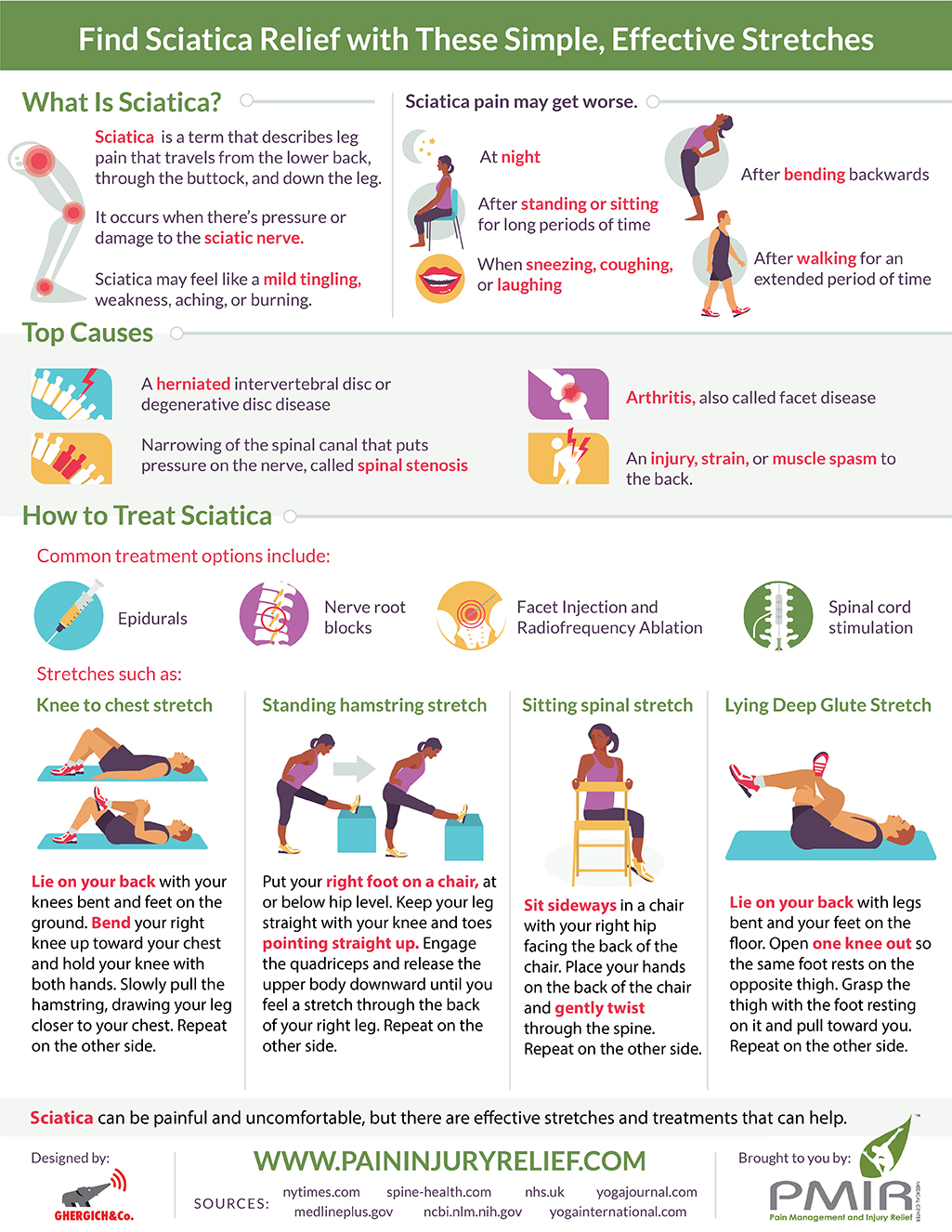
Sciatica is a painful condition that occurs when your sciatic nerve becomes damaged or compressed. Your sciatic nerve runs down your leg, and when it becomes compressed, symptoms can range from mild discomfort to major pain.

Sciatica is a condition that we see pretty regularly in our office, so when our colleagues at Pain Management & Injury Relief reached out to us about sharing an infographic they created that focuses on sciatica treatment, we thought it would be a great addition to our blog. A stretching routine combined with regular exercise is one of the best ways to control and combat sciatic nerve pain, so if you are dealing with shooting or tingling pain in your legs, check out the infographic below.

Also, for more information on treating sciatica pain or other chronic conditions, be sure to swing on over to PainInjuryRelief.com

Find Sciatica Relief with These Simple, Effective Stretches