As we talked about in our blog post on Tuesday, there’s no simple way to treat chronic pain. No magic pill is going to cure your pain. Instead, you need to have a comprehensive and multifaceted approach to controlling your chronic pain. Sometimes, that approach includes complementary medicine options.
We are a traditional pain clinic, but it would be wrong to simply ignore the benefits of some complementary options. We’ve talked about the benefits of acupuncture on our blog in the past, and our most viral post isn’t exactly a traditional medicine method.
Complementary Medicine Benefits
Mindfulness, acupuncture and other complementary medicine methods are key components to finding the best way to treat chronic pain, and that’s a sentiment shared by our friends at Burning Nights CRPS. In fact, they believe in the benefits of complementary approaches so much that they designed a wonderful infographic to help inform others. Take a look at the infographic below, and be sure to check out their site for more helpful information on how to best beat chronic pain!
Battling chronic pain is no easy task, but it gets easier if you know the best way to tackle the condition. Today, we share four ways to help combat chronic pain, and we explain how these factors can help you conquer your daily discomfort.
The 4 Keys To Conquering Chronic Pain
There is no magic pill that will get rid of your chronic pain. If you want to reduce your daily pain, focus on these for areas.
1. Exercise – If there’s one thing we can recommend when it comes to conquering chronic pain, it’s regular exercise. As someone who struggles with back pain, I find that it is best controlled when I’m actively working on strengthening the area. We know that chronic pain can make it difficult to exercise, but try to find an activity that works for you, whether it be running, cycling, walking or swimming!
2. Mindfulness – A recent article published on Medscape suggests that mindfulness probably won’t help you with back pain. It’s true that mindfulness alone won’t magically cure your back pain, but we’ve found that patients who try to eliminate stress in their life and who focus on putting pain behind them instead of feeling sorry for themselves seem to respond better to treatment. Mindfulness isn’t something you can just achieve, but there are a number of activities you can participate in to help push pain out of your mind. From speaking with a therapist, to taking a Tai Chi class, to simply making it a point to get out of bed and not let pain slow you down, treating your mental health is just as important as your physical health when it comes to conquering chronic pain.
3. Diet – Your diet also plays an important role in chronic pain expression. A number of chronic pain flare ups are caused by inflammation, and that inflammation can be triggered by certain foods in our diet. Try to eat a wide range of fruits, vegetables, proteins and fish, and stay away from the sugars and saturated fats. Sometimes a diet change is all you really need.
4. Professional Assistance – Finally, don’t try to take on your chronic pain on your own. Medical professionals can help you get to the bottom of your condition and devise a number of different treatment methods to suit your needs. You wouldn’t try to fix your own cavity or fill your own taxes (Okay – some of you are probably brave enough to do your own taxes, but I prefer to hand it all over to a professional), so don’t try to combat your chronic pain all alone. We’ve studied this stuff for decades, let us help!
Chronic pain patients have a multitude of possible treatments available for the management of symptoms. Strategies often include exercise, physical therapy, chiropractic care, massage, injections and medications. One of the more frowned upon treatments is opioids, but sometimes they are used successfully. With the current opioid crisis, many pain patients fear using them and want to be safe if they have them in their possession.
Opioid Safety
The most important rule with regards to use of any medication, especially opioids, is to never take more than what has been prescribed. Opioids can build up in the body and suddenly become deadly if too much is taken. Running out early can cause opioid withdrawal syndrome and while it is uncomfortable, it is not dangerous to your health. If you are taking opioids, expect your doctor to closely monitor your medication and behavior while taking these drugs. Since they are highly addictive and abused, most doctors will tightly control prescriptions and refills. Drug testing, opioid contracts, behavior screenings, depression screenings and monitoring of other medications are standard. Mixing of medications like sedatives, anti-anxiety treatments like benzodiazepines, and using any street drugs often will lead to ending a prescriptions for opioids, and often there is zero tolerance of any safety rules due to the extreme danger inherent with opioid misuse.
Mixing Street Drugs and Opioids
The latest step in opioid safety is the prescribing of naloxone in addition to the opioid. Naloxone is a drug that can block the opioid receptors for most opioid-type drugs, and it can prevent an accidental or purposeful overdose. In Minnesota it can be obtained at most pharmacies even without a prescription, and can be given effectively as either an injection or as an intranasal spray. Anyone who is routinely taking an opioid or has opioid medications in the home should likely have naloxone too, in case they accidentally or purposefully take too much, or someone else takes their medications. If you are on these medications, ask your doctor about having a safety prescription for naloxone.
Using street drugs for an addiction to opioids or for pain is high-risk behavior. The singer Prince was using Percocet obtained from street sources to control his hip joint pain. The Percocet he obtained had allegedly been mixed with fentanyl, which is an extremely potent opioid and caused his overdose death. If you are addicted to opioids, are using them to get high, use heroin, or have family or friends that is misusing opioids, you can obtain naloxone and this may save someone from an overdose death.
Successful Opioid Treatment
Opioids can be helpful in treating pain, but they are extremely difficult to use due their limited safety. More physicians are very reluctant to prescribe these medications and their long-term efficacy and safety is limited. More information has become available on how opioids actually tend to increase pain over time versus being helpful. Pain management specialists will work with patients to find alternative strategies to these dangerous medications.
One last issue with regards to all medications, especially opioids, is how to dispose of unused or outdated prescriptions. In the past, medications were often flushed down the toilet or thrown out in the trash. The environment does not do well with those methods, and it tends to lead to contamination of our waterways and ground water. Freshwater fish are starting to show significant levels of some commonly disposed medications. The best way to get rid of unwanted medications is to bring them to your local police or sheriff’s department where they have disposal lock boxes. These medications then are handled as hazardous waste and usually incinerated at high temperatures to completely destroy them and turn it to relatively safe ash.
If you’re struggling with an opioid addiction or want a doctor to help get to the bottom of your pain, contact Dr. Cohn today.
In the 1960s, the drug culture was known for psychedelics, LSD and marijuana. Eventually, some of those users sought a stronger high, and that led them down the path to heroin. At least that was the message pushed by the government in its fight against drugs.
Heroin was actually not that common and it was often a drug of addiction found in Vietnam veterans due to its availability in that region. Intense drug programs and interventions to rid production significantly reduced heroin use in the U.S. from the 1970’s through about 2000. In the 1990’s, the era of everyone needing opioid pain management began and along came Oxycontin. The quick and easy option for most doctors to treat pain was to write a prescription for the magical opioid pill. For the last ten years, we now have discovered the rising tide of opioid addiction and now deaths from overdoses is catching up to the number from auto accidents.
Link Between Pills and Heroin
Oxycontin first came on the market in the 1990’s and was extensively marketed as a safe drug for management of pain. The manufacturer would fly physicians to resorts, wine and dine them, and then try to hire them to lecture other doctors on the wonder of their drug. By about 2005, some of the problems with addiction were becoming evident. The government convinced the manufacturer to develop a formulation that would deter abuse by making anti-crush pills, and these came on the market around 2010. It was still a potent drug, but it was not as fun to take and the pills became expensive on the black market. However, the damage had been done and now the main way to treat pain was with opioids, any many people had become addicted to the powerful medication.
A study recently done by the University of Pennsylvania and the Rand Corporation explains why heroin has now become a problem. The development of the new formulation of Oxycontin made this drug more expensive and harder to abuse. Heroin has become cheap, more pure, and once you’re hooked on opioids, it is now easier and less expensive to obtain. So once a person is addicted to pain pills, the cheaper route to get high and prevent drug withdrawal is to use heroin.
Now the latest trick for those with an opioid addiction to get high is to use heroin or oxycodone that is mixed with another synthetic opioid like fentanyl or cor-fentanyl which are a hundred to over a thousand times stronger. These drugs are often been manufactured in China or India, and they can be easily mailed anonymously without much suspicion into the U.S. If mixed wrong, these newer synthetic opioids are often deadly.
Takeaway Points
The message from the opioid crisis is that pain has many ways to be treated, and left unregulated the use of opioids is often more dangerous then helpful. Addiction is a disease; without treatment, some resort to the use of heroin since it is cheap, and many cut that drug with other potent drugs that are deadly.
Stopping the opioid crisis will take time and effort. Treating pain is not just about taking opioids – that has led to the addiction crisis. Money needs to be spent on pain research and the development of better pain management strategies. A third of the population has issues with pain, making it more prevalent than heart disease, cancer and diabetes combined. To solve the problem of pain and drug abuse, a concerted government investment into pain research and better medical management is needed.
One of the approved conditions for medical marijuana in the state of Minnesota is intractable pain. Intractable pain is pain that can’t easily be tracked to a specific source and treated successfully, and many patients with chronic pain are deemed to have intractable pain. So you’d think the medical marijuana program in Minnesota would be beneficial for chronic pain sufferers? Well, according to a recent article in the Star-Tribune, it’s anything but easy.
Jumping Through Hoops
Minnesota is at least moderately progressive in that it allows medical marijuana as a treatment option for some conditions, but there are still a number of issues with the current state of the program. For starters, the majority of doctors in Minnesota – including those who specialize in treating chronic pain – are not approved to certify patients for the medical marijuana program. The reason being is that the health care system employers prohibit these doctors from prescribing it. Some doctors who treat rare and severe illnesses can prescribe the treatment, but the vast majority cannot.
So, most doctors are unable to prescribe it. You’d think the state would compile a list of doctors that could prescribe medical marijuana to those who qualify, but no state-provided list exists. Instead, patients need to search the web, call clinics and try to track down a doctor who can prescribe the treatment on their own.
Footing The Bill
Once you’ve tracked down a doctor and had your medical records faxed over to the clinic, you finally get to meet with a specialist who can prescribe medical marijuana. But, according to the Star-Tribune columnist who sought medical marijuana for her pain, since the appointment was for medical marijuana certification, her insurance wouldn’t cover it. So the $844 bill for the 90-minute session would come out of her pocket.
If she would be approved by the state, she’d have to pay a certification fee. That runs $200, and it needs to be renewed each and every year. Moreover, after you pay your certification fee, your treatment needs to be approved by the state. If you are approved, you then have to fill out a Patient Self-Evaluation Form. Finally, after that is approved, you can visit a Cannabis Patient Center, where any purchases once again aren’t covered by insurance, so you’re paying out of pocket. Oh, and forget writing it off as a medical expense, as medical marijuana is not legal under federal law, so the expenses can’t be written off.
The author detailed how she would need to return to the clinic four weeks after receiving the medical marijuana for a follow-up appointment that again would not be covered by insurance (and again at six months). In all, she estimated that her start up costs would fall just short of $2,000 just to get into the program – and that’s without purchasing any medical marijuana.
There are good intentions behind the legalization of medical marijuana in Minnesota, but the program currently has many faults. These patients who are in incredible pain are repeatedly being asked to jump through hoops and open their wallets just with the hope that they can get in the program and find a solution for their pain. The current system is broken, and while we’d like to see more money being poured into medical marijuana research to ensure we increase treatment effectiveness, we can’t expect the solutions to happen on their own. We need to revamp the process for getting medical marijuana for patients with intractable pain.

 There is no magic pill that will get rid of your chronic pain. If you want to reduce your daily pain, focus on these for areas.
 In the 1960s, the drug culture was known for psychedelics, LSD and marijuana. Eventually, some of those users sought a stronger high, and that led them down the path to heroin. At least that was the message pushed by the government in its fight against drugs.
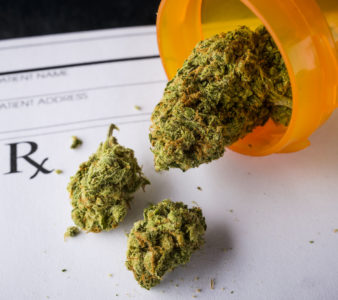 One of the approved conditions for medical marijuana in the state of Minnesota is intractable pain. Intractable pain is pain that can’t easily be tracked to a specific source and treated successfully, and many patients with chronic pain are deemed to have intractable pain. So you’d think the medical marijuana program in Minnesota would be beneficial for chronic pain sufferers? Well, according to a recent article in the Star-Tribune, it’s anything but easy.