3 Things You Should Do Every Day If You Have Chronic Pain

daily chronic painNavigating your daily life can be difficult if you’re stuck dealing with a chronic pain condition. Between the good days and the rough days, it’s hard to know what each morning is going to bring. However, no matter how hard each day is, it’s imperative that you do a couple of things each day to keep your body and mind moving in the right direction. In today’s blog, we share three things you should do every day if you’re stuck in a constant battle with chronic pain.

Do These Three Things Each Day If You Have Chronic Pain

Now, there’s no perfect recipe for treating chronic pain because it is so unique to the individual, but we’ve found that patients who strive to do these three things every day tend to have more good days than bad when it comes to managing their chronic pain condition.

Each day you should so something for your:

Body – In order to help get your pain under control, you need to take care of your body. Every day you should strive to do something that helps your physical health. Go for a run, or if that’s too difficult, go for a walk around the block. Try to get your blood pumping and strengthen some key muscle groups. A lot of chronic pain conditions respond well to weight loss and stress reduction from muscle improvement, both of which can occur by challenging your body on a physical basis. Make it a point to do something physical outside of your normal daily routine each and every day.

Mind – Chronic pain conditions are not just a physical manifestation. Many pain conditions also have psychological effects as well, and failing to care for your mind can inhibit you ability to achieve physical health improvement. Every day you should do something that challenges your mind and boosts your mental health. Do a crossword puzzle, relax with some meditation or just dive into a book. These activities will take your mind off your physical pain, but it can also help treat physical conditions because of how intertwined your mental and physical health can be. Do something recreational that truly engages your mind each day.

Soul – Finally, do something each day that is unequivocally, 100 percent and totally for you. Do an activity that you are passionate about each day. Take up a woodworking project, play hide and seek with your kids or just do something that makes you happy to be alive. Find what drives you and engage in your passions, and you’ll be amazed what this can do for decreasing and managing your chronic pain condition.

If you do these three things each day while also following your doctor’s recommendations, we’re confident you’ll find yourself in more control of your chronic pain condition. And if you have questions or want help with your personal pain problem, please reach out to Dr. Cohn and his experienced medical staff today.
Could This Experimental Treatment Help Cure Chronic Pain?

peptide pain

University of Copenhagen

New research out of Denmark is showing promise for treating neuropathic pain. According to the team of researchers, they have been focusing on targeting hyper-sensitive nerves that contribute to chronic pain onset. They’ve done this by developing an experimental compound – a peptide called Tat-P4-(C5)2 – that has proved effective in treating similar pain in mice.

“We have developed a new way to treat chronic pain. It is a targeted treatment. That is, it does not affect the general neuronal signaling, but only affects the nerve changes that are caused by the disease,” says Kenneth Lindegaard Madsen, PhD, Associate Professor at the University of Copenhagen.

“We have been working on this for more than ten years. We have taken the process all the way from understanding the biology, inventing and designing the compound to describing how it works in animals, affects their behavior and removes the pain,” said Madsen.

How The Peptide Works

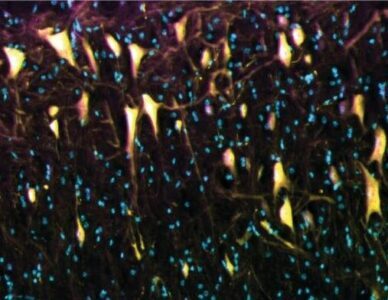
The image on this blog shows the Tat-P4-(C5)2 compound after it is injected into the spinal cord. The compound (purple) begins by penetrating the nerve cells of the spinal cord (yellow), but not the surrounding cells (cell nuclei can be seen in blue). The compound works by blocking neuropathic pain signals like the kind that are seen in patients dealing with diabetic neuropathy, CRPS or phantom limb pain. The team has been pleased with how successful the treatment has been in mice.

“The compound works very efficiently, and we do not see any side effects. We can administer this peptide and obtain complete pain relief in the mouse model we have used, without the lethargic effect that characterizes existing pain-relieving drugs,” said Madsen. “Now, our next step is to work towards testing the treatment on people. The goal, for us, is to develop a drug, therefore the plan is to establish a biotech company as soon as possible so we can focus on this.”

Aside from simply working to block pain signals from being interpreted by the brain, researchers believe a peptide-focused treatment may become the norm for a variety of pain conditions in the future because it can perform the same task as painkillers without the risk of addiction or dependence. Our bodies naturally build up a tolerance to traditional painkillers, and as dosage increases so too does the risk of dependence and overdose. But with peptide intervention, we can block pain signals without the need for potentially dangerous painkillers.

It’s far from a miracle cure, and even if it’s proven successful in a human trial it should be paired with other healthy habits like regular exercise and dietary improvements, but it certainly gives us hope for the future of pain care. We’ll keep our eyes on this research as it moves to the next stage of trial. In the meantime, if you need help with a chronic pain issue, let us help you. Contact Dr. Cohn’s office today for more information.

The Differences In Treating Acute Vs. Chronic Pain

acute chronic painEveryone experiences pain differently, and depending on the type of pain you’re suffering from, it will generally be categorized into one of two groups – acute pain and chronic pain. Acute pain is the most common type of pain, and it is typically the result of trauma. For example, if you stub your toe on the kitchen table, you’ll be feeling acute pain in your toe. Conversely, chronic pain is a type of pain that is persistent or that lasts for longer than three months. Chronic pain can develop out of acute pain, or it can develop for another reason. For example, if that same stubbed toe led to nerve damage that never healed properly, you may suffer from chronic toe pain.

Although these two types of pain are often intertwined and related, they typically need to be treated in slightly different manners. Below, we take a closer look at some of the different ways acute and chronic pain are managed.

Treating Acute Pain

We treat both types of pain at our clinic, but acute pain tends to be treated more commonly in hospitals and emergency departments. Fractures, sprains, bruises and cuts are all common forms of acute pain that result from trauma or physical injury. Although treatment should be individualized to the patient, minor to mild acute pain is often treated with conservative options like:

  • Rest
  • Anti-inflammatory medications
  • Pain-relieving medications
  • Elevation
  • Compression
  • Hot or cold therapy
  • Casting

For more severe forms of acute pain, options like manual therapy, physical therapy or surgery may be recommended. Most providers will recommend that you try six weeks of conservative therapy before you pursue surgery, although certain acute injuries may require more immediate surgical intervention.

Treating Chronic Pain

Treating chronic pain is a little more difficult than acute pain, because it’s not always obvious what’s causing the pain. When you stub your toe, it’s easy to hone in on suspected problems. However, if you’ve been feeling mild discomfort in your spine for the last few months and it’s progressively gotten worse, there are a number of different issues that could be contributing to your pain. Because of this, the most important aspect to developing a successful chronic pain treatment plan is to determine the underlying cause of pain.

With the help of a physical exam, movement screens and imaging tests, a chronic pain specialist can help pinpoint exactly what’s going on in your body. From there, a treatment course is charted.

Many of the same treatment options for acute pain can be applied to chronic pain, but treatment tends to focus on more of the active treatments instead of passive options like rest and medications. While those aspects can play a key role in your recovery, chronic pain oftentimes responds better to treatments like:

  • Physical Therapy
  • Exercise
  • Stretching Techniques
  • Posture Awareness and Education
  • Weight Loss and Improve Diet

You’re also more likely to need to adjust your treatment strategy when trying to rid yourself of chronic pain, so take note of what’s working and what’s not working and discuss these options with your doctor. Don’t just keep trying certain treatments if they aren’t producing results, because odds are a few simple adjustments can greatly reduce your pain.

For more information about either type of pain, or for help with your pain, reach out to Dr. Cohn’s office today.

COVID-19 and Chronic Pain

covid-19Covid-19 has become a deadly pandemic across the world, and it is likely that almost no place on earth will go untouched. It is not a hoax, and for many the threat is very real. Projections suggest that somewhere around 60 percent or more of the population will become infected over the next several months, and 80 percent of these infections will be mild. However, if one has another significant medical problem, than they may be at risk for a complication and become seriously ill or require hospitalization. Those who have one of many medical problems that cause pain often have conditions like diabetes, cardiovascular disease, lung disease or are elderly and at a high risk for Covid-19, however pain itself does not increase risks of the virus. Currently, becoming ill with Covid-19 is like playing Russian Roulette, as there is between 1-4 percent chance if you get become sick it will kill you.

If you have a pain condition, in general one needs to continue working on safe management and try to avoid anything that would increase your risk for infection. First and most importantly, chronic pain does not kill you and is not an emergency problem. Chronic pain is a management problem and there are usually multiple options in treatment. Sometimes a temporary solution is safer than a more definitive option. Sometimes the best treatment may be unavailable due to medical restrictions on procedures like injections or surgery. Fortunately, usually an adequate and temporary plan can be implemented until a better solution is available. There also is a fair likelihood that your pain still may feel intense and that you wish control would be better, but it’s something we have to deal with amid the pandemic.

Managing Chronic Pain During The Pandemic

There are things that one can do to make the pain better. First, it is important to realize that pain is a cognitive/emotional experience and a response to sensory inputs to the brain. Pain is the perception of the sensory signals from various nerves. A soldier in the heat of battle often will not feel a serious injury while someone sitting at home with nothing to do will feel horrible sensations since the brain is not occupied by other thoughts. Therefore, the busier the mind is, the less it can think about distressing thoughts. Distract the brain and keep it busy with positive thoughts, work or even television.

The second thing that helps pain is keeping physically active and healthy. Most activities will not make chronic symptoms worse. Continue to exercise, as it is important to maintain a good stretching, strengthening and general conditioning program. Stretching keeps muscles from tightening up, feeling like bands and spasming. Strengthening keeps muscle able to have the power to perform activities. Aerobic conditioning allows muscle to have the endurance to perform activities, increases your own endorphins that reduce pain and overall helps to relax the body and mind. Activity fights off deterioration of the body.

The third thing to do is maintain an overall healthy lifestyle. Try to improve your diet such that you are not gaining weight and stressing the body.  If possible, improve your diet, consider healthy choices like fruits, vegetables, diary and meats and learn to cook while staying away from highly-processed foods and excess carbohydrates. Keep your diet sustainable and something that you can afford and enjoy. If you are ambitious, try an inflammatory diet or a Mediterranean diet. On top of diet, sleeping an adequate amount is necessary. Turn off your electronic devices an hour before bed and relax the brain. Try clearing your thoughts with mindfulness, meditation or relaxation. There are many phone and computer applications that can help with relaxation. Sometimes, having professional psychological help is even beneficial. Good sleep and less stress help maintain or boost the immune system.

If you have pain, there are many ways to treat it. Now with the Covid-19 virus and the medical and social precautions being taken to prevent spread, some of the options for treatment are not available. The coronavirus may not be affecting you at the moment, but the risk of infections at this time and the possible risk of even death due to your actions is very real. One can be a spreader of the disease without symptoms, and medical workers have a very high incidence of the disease. Further, many medical procedures such as injections use up valuable protective equipment that really is needed for hospitals and senior living centers where there are not adequate supplies. At this time, pain can be treated for the short term with other options besides injections and elective surgery in most cases. If the procedure is not essential to prevent loss of life or limb, currently it can be postponed until the medical system is past the critical time of Covid-19 spread.

Why Social Distancing May Be Harder On Patients With Chronic Pain

social distancingChronic pain is the number one cause of long-term disability here in the United States, and a chronic condition can be physically, emotionally and psychologically draining. And as you’ve probably noticed over the past few weeks, social distancing can also be physically, emotionally and psychologically draining. When these two events happen concurrently, the effects can be intensified, leaving chronic pain patients more susceptible to fall out from their condition or the current state of society.

Because of this, patients with chronic pain need to be even more diligent about how they handle their physical and mental health during this time of social distancing. Below, we share some tips to prevent your chronic condition or social distancing from causing problems as we work towards normalcy.

Chronic Pain and Social Distancing

Although patients with chronic pain may be more used to social distancing than the average person because their chronic condition may cause them to skip activities that they would have participated in, that doesn’t mean it gets any easier to pass on doing the activities that you love. To prevent your chronic pain or the quarantine from getting the best of you, consider the following tips.

Stay Connected – Make it a point to connect with others, even if you can’t see them face to face. Set up a Zoom meeting with some family members, or have a virtual happy hour over Facetime with friends or coworkers. Make sure you are not social isolating. Connecting with others, even if it’s over the phone or computer, can do wonders for your mental health, and that can help provide physical benefits as well.

Do Your Exercises – Don’t just use social isolation as a time to sit on the couch and eat whatever you want. Make sure you are still getting regular exercise and doing your physical therapy exercises, as these will help tremendously with your pain condition. Being sedentary will typically only make things worse since you’re not actively working to strengthen injured areas, so don’t use social distancing as an excuse to be inactive.

Mind, Body, You – Every day, make sure you’re doing at least one thing that benefits your mind, body and yourself, as this will help keep your physical, mental and emotional health in check. For example, do some exercise to care for your body, do some yoga or meditation to help your mind relax, and do something you personally love to do, like read a book or watch an episode of your favorite television series. Ignoring one of these aspects can make it harder to overcome a chronic condition.

Get Healthy Sleep – Sleep can be harder to come by if your routine is a little disjointed because of social distancing or your chronic condition, but getting restful sleep is imperative to your mental and physical health. A lack of sleep can intensify pain signals and affect your whole day, so really commit to going to bed and getting up around the same time to help your body get into a rhythm.

Connect With A Physician – If you’re having physical, mental or emotional issues during this time, contact a healthcare provider or your pain care specialist. This is uncharted territory for all of us, but we’ll get through this together. Let us help you with whatever you’re going through. We’re offering new ways to help our patients through these tough times, so contact our office to see what we can do for you if you’re struggling with any aspect of your chronic pain condition.