Although the findings may not be all that surprising, new research shows that children with chronic pain are significantly more likely to deal with life events that can contribute to poorer school performance.
According to the research, 81.5 percent of children with a history of chronic pain reported dealing with at least one adverse life event that could have impacted their school performance. Children with chronic pain were more likely to report:
Missing school due to not feeling well.
Missing school for medical treatment.
Having a difficult time paying attention in class.
Finding it hard to keep up with school activities.
Chronic Pain In School Children
As you can see, it’s clearly important for children, their parents and the education staff to develop a comprehensive care plan for dealing with chronic illnesses and flareups. These kids probably feel ostracized enough without having to feel like they’re falling behind on homework or with the curriculum. Here’s a look at some ways all of these groups can come together to ensure everyone is on the same page.
Children need to be proactive about getting homework and lesson plans from the classes they’ve missed.
Parents need to stress the importance of getting homework and ensure children aren’t missing assignments from missed classes.
Parents need to talk with school staff about the child’s potential health issues so it’s on their radar.
School staff need to realize that children aren’t using their chronic condition as a crutch or an excuse.
Parents and children should ensure they get a doctor’s note for medical appointments during class.
If homework extensions are needed, let the teacher know as far in advance as possible.
Consider supplemental education resources, like tutoring or extra credit.
If any party has concerns, they should be brought up sooner rather than later so there aren’t any misunderstandings.
Once you find a routine that works, do what you can to stay in that routine.
Chronic pain can be tough to deal with, but it’s even more difficult if you’re a kid in school trying to learn and make friends. If your child needs help with any aspect of their chronic pain care plan, reach out to Dr. Cohn’s office today.
A frequent question I receive from patients is whether low back pain is just your fate and if it’s inherited. This is an especially hard question to answer, but genetics may influence the fact that you develop problems with your back. There are many conditions that may cause low back pain, and some of them are linked to your genes and thus could be inherited.
Back pain that may have genetic causes include scoliosis, inflammatory arthritis, osteoporosis, spondylolisthesis, obesity and possibly even lumbar degenerative disc disease. Back pain in younger people tends to be more related to traumatic causes such as force exhibited on discs, joints and muscle sprains. In older adults, the lists of causes of back pain are often associated with lifestyle issues as well as genetic causes.
Inheriting Back Pain
There are certain causes we know that have definite genetic causes and have direct links to back problems. One of the most common is scoliosis. About 3 percent of the population has scoliosis, and in most cases it is usually a minimal curvature without any significant impact on the back mechanics, and therefore it does not cause pain. Most scoliosis is considered idiopathic, and that implies that we have no idea why it is present, but there is a family association of roughly 30 percent and thus there is likely some sort of genetic component. Another five percent of scoliosis is associated with a variety of neurologic and musculoskeletal disorders, like Marfan’s syndrome or muscular dystrophy, and these diseases are definitely related to genetic causes. A lot of these latter diseases are associated with significant curvatures of the spine and the structural abnormalities are painful.
Another category of genetic causes of back pain are related to certain inflammatory disease that are linked to arthritis. These are disease like rheumatoid arthritis, lupus, psoriasis, and ankylosing spondyloarthritis. All of those problems can cause a variety of structural changes to the spine, especially to the joints as well as to the discs and bones. These conditions can lead to structural and motion changes, whic could cause spinal narrowing and nerve irritation. The combination of physical changes in the spine often results in pain.
Degenerative Disc Disease and Osteoporosis
Research out of Kings College in London in 2012 identified a gene known as PARK2 that occurred in some 65-80% of those people whom have lumbar degenerative disc disease. As everyone ages, the discs do degenerate by losing hydration and shrinking in height. This may lead to some changes in movement patterns in the spine, and also lead to bony changes in joints and discs. Sometimes these changes can cause narrowing where the spinal cord is and where the nerves exit the spine. In some people these changes are painful, and in many they are not since the body can adapt to many things, especially if the change is very slow.
One common but often not recognized disorder that more commonly affects women is osteoporosis, which is commonly inherited. Thinning of the bones oftentimes occurs in the spine, which may cause the vertebral bodies to fracture and collapse downward. Sometimes these fractures are painful, and many times they are not, but the overall changes to the spine may lead to motion changes, muscle changes, and spinal narrowing, which may cause pain.
The overall answer to the question of whether your low back pain is due to genetics and is inherited is maybe. There are many things that can contribute to back pain and some of the most common issues are lifestyle related. A lack of exercise and obesity may be one of the most serious problems in our modern society. Many of us sit at desks all day long, eat too much food, and spend the evening in front of the television. Changing factors that one can control like the amount and type of exercise is often one of the most important strategies to treat back problems. One can not often change the inherited factors, but one often can change their impact by controlling your environment and lifestyle.
Staying fit and being healthy as we get older usually requires work. There’s always the tale of someone who smoked a pack of cigarettes a day, drank a six pack every night, ate whatever they wanted, sat on the couch and lived to ninety years. A few people having amazing genetics and nothing affects them, but this is not the norm. Most people need to take an active approach to life including fitness, diet, rest, and stress. Health is about paying attention to our lives and reducing harm as well as maintaining our bodies and minds.
Your Body is Like A Car
My favorite analogy is that our bodies start out like new cars and generally are like that until we reach adulthood. A new car needs fuel and very little maintenance to keep it running well. If you do not wreck it, the car will run smoothly for our younger years. As the car ages, more and more routine maintenance is needed and as it gets older, major overhauls are sometimes necessary. When we are young, we feed the body and let it run and generally it will be healthy. As a young adult, we need to start doing some general health care such as monitoring our cholesterol and blood pressure, and start purposefully watching things like what we eat, our exercise, and make sure we sleep and reduce our stress. After we turn fifty, technically the body is in old age range, and maintaining our health is needed to keep us running smoothly.
In the 1800’s, the average life expectancy was between forty and fifty years of age. Death was due to injury, trauma, infections, heart problems, cancer and multiple other issues of the time. Since then we have learned how to stay alive such that the modern life expectancy has risen to about 80 years. The caveat however is the body has not evolved much in the last 150 years, so it takes much more work to keep an old body healthy.
How to Stay Fit
Staying fit and healthy does take some work and affects a variety of aspects of your life. If it were easy and simple, everyone would know the secrets and live long without problems. The reality is that it does take effort to be healthy, and everyone is throwing in advice on ways to live. The books, diets, pills, retreats, and machines available for a price to make you live longer and happier are countless. Understanding our history can possibly help us understand our needs into the future.
Exercise is one of the most basic concepts. In the past, we did not sit at desks all day. Rather, we were very active and often constantly moving. Since our sources of survival and income have changed, our amount of activity and movement has plummeted. As we age, exercise to maintain our bodies are essential. Daily stretching for 10 minutes or more is necessary to keep the flexibility of muscle and joints and the health of these tissues. Stretching markedly reduces stiffness and associated pain from muscles, ligaments and joints.
Strengthening is the next pillar needed to maintain the health of muscles as well as bones and other structures in the body. Light strengthening three times a week for 20-30 minutes is needed to maintain muscle and bone health as well as to reduce injury from unexpected events like falls. Lastly, the body needs aerobic conditioning to maintain health including for the heart, blood pressure, muscle endurance, weight control, and to reduce pain from increased endorphin levels and stress reduction. The overall recommendation from the American Heart Association is 30 minutes of exercise 5 times a week, from a simple walk to an intense workout.
Diet and Sleep
Our diet is the fuel that runs our bodies. If we put the wrong fuel in our cars, they won’t run, and it is the same with our bodies. It is becoming clearer that our nutrition plays a huge role in our health. As a doctor, unfortunately we learn very little in out training about diet and nutrition. Curiosity about the subject has slowly been very enlightening. Eating better does take more planning and understanding, especially about processed food, sugars, fats, carbohydrates, and other essential nutrients. Spending some time to read and understand healthy diets helps improve the ability to control the fuel entering your body. Even an old doctor can educate himself; using my drive time to work and back, I am spending time listening to courses on nutrition.
Sleep is one subject we know we need but understand very little about. The purpose of sleep, how much we need, and whether the measures we have are helpful and accurate is debatable. Children need more sleep than adults, and adults often need more than we get nightly. Somewhere over seven hours is recommended every night for adults. Sleep is used by the brain to restore functions, to clean up waste products and to rest the whole body. What constitutes as “quality sleep” is not very clear and those sleep trackers that monitor body motion at night are not accurate, according to most experts. Feeling well rested the next day is probably a reasonable sign of adequate rest.
Lastly, having good mental health is necessary to stay fit. Society tends to ignore our mental health needs. Good mental health is needed to stay physically healthy. The body is dependent on the brain for good function. Emotional health is the part that emanates from the brain that allows us to function well physically. When we are stressed, anxious, depressed, or suffering psychologically, we often cannot put in the energy to maintain physical well being. Once we improves our psychological state, we often can focus our energies to pay attention to the rest of our life. Whether it is meditation or medication that is necessary for good emotional health, without paying attention to our psychological selves, maintaining good physical health is difficult.
Staying healthy and fit as we age requires work on our physical and mental well being. There are multiple pillars that keep up our health and as we age we need to pay more attention to these important aspects of our lives. From sleep, rest, exercise, diet and mental health, they all provide strength and structure to keep going as we age.
Minnesota Governor Mark Dayton has proposed a “penny-a-pill” program in which drug companies would have to pay the state an extra penny for every pill prescribed in the state. The money raised from this tax would go towards an opioid stewardship program that provides opioid prevention, treatment and recovery services.
Gov. Dayton said the program may be able to generate $20 million a year.
“You can call it whatever you want,” Dayton said. “It means that they’re going to pay for the product they’re producing, which is causing this epidemic.”
According to data, there were 395 opioid overdose deaths in Minnesota in 2016. That number represents an 18 percent increase from the previous year, and 194 of the 395 deaths were linked to prescription opioids. The CDC also notes that there are 47 opioid scripts written for every 100 Minnesotans.
One Of Many Changes
The penny-a-pill program is just one of a number of changes aimed at reducing the number of opioid overdoses and deaths here in Minnesota. Two months ago, the state announced new guidelines that affect how area physicians write prescriptions for painkillers. The new guidelines suggest that physicians should:
Prescribe the lowest effective dose and duration of opioids when used for acute pain.
Monitor the patients closely, including prescribing opioids in multiples of seven days.
Avoid initiating chronic opioid therapy, make it so long term prescriptions would include face-to-face visits with the provider at least every three months.
Additionally, Minnesota wants to renew the focus on educating physicians, patients and their families on the potential dangers of opioids, as well as how to spot the signs of a problem.
“One opioid prescription can start the downward spiral in the right person,” said Dr. Rahul Koranne, Chief Medical Officer for the Minnesota Hospital Association.
Minnesota is actually one of the better states in the US when it comes to regulating prescription opiods. The state prescribes the fifth fewest opioids in the nation, which speaks volumes considering there are 47 scripts written per 100 Minnesotans.
Do you think the penny-a-pill program is a good idea? Leave your thoughts in the comments section below.
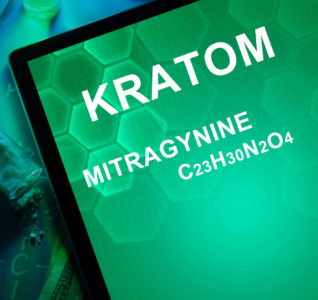
We’ve blogged about Kratom in the past, but now the FDA is chiming in on the subject. According to the FDA, Kratom is more than a plant, it is an opioid.
“As the scientific data and adverse event reports have clearly revealed, compounds in kratom make it so it isn’t just a plant — it’s an opioid,” said FDA commissioner Scott Gottlieb. “And it’s an opioid that’s associated with novel risks.”
Kratom, which has been credited with giving users feelings of euphoria, strength and pain relief, has now been linked with 44 deaths. Aside from its obvious dangers, the FDA decided to classify the plant as an opioid because the drug taps into some of the same brain receptors as opioids.
The Dangers of Kratom
Like a number of drugs in their infancy, the dangers of kratom stem from the fact that we haven’t had much time to scientifically study the substance. Despite never gaining approval from the FDA, kratom was advertised as a concentration booster and workout enhancer in largely unregulated supplements. Because of its properties, it also made its way into the pain management community as a potential option for individuals with chronic pain. And ironically, it’s also been touted as a treatment option for opioid addiction.
“Patients addicted to opioids are using kratom without dependable instructions for use and more importantly, without consultation with a licensed health care provider about the product’s dangers, potential side effects or interactions with other drugs,” Gottlieb said in a previous statement.
Now that we’ve had more time to study the substance, researchers are realizing just how dangerous unregulated kratom use can be. After studying the chemical structures of the 25 most prevalent compounds in kratom, researchers discovered that they all shared similarities with opioids like derivatives of morphine. Moreover, two of the five most prevalent compounds in kratom latch onto the brain’s opioid receptors, just like other opioid painkillers do.
“The new data provides even stronger evidence of kratom compounds’ opioid properties,” Gottlieb said.
Some states have already taken steps to ban the substance, and it wouldn’t be surprising if Minnesota followed suit in short order. Kratom is already banned in Alabama, Arkansas, Indiana, Tennessee and Wisconsin.
At the end of the day, we have to remember that there is no miracle pill that can cure us of our pain or treat our opioid addiction. Trust that doctors have your best interests at heart, and that clinically tested and proven methods are best.
 Although the findings may not be all that surprising, new research shows that children with chronic pain are significantly more likely to deal with life events that can contribute to poorer school performance.
 A frequent question I receive from patients is whether low back pain is just your fate and if it’s inherited. This is an especially hard question to answer, but genetics may influence the fact that you develop problems with your back. There are many conditions that may cause low back pain, and some of them are linked to your genes and thus could be inherited.
 Staying fit and being healthy as we get older usually requires work. There’s always the tale of someone who smoked a pack of cigarettes a day, drank a six pack every night, ate whatever they wanted, sat on the couch and lived to ninety years. A few people having amazing genetics and nothing affects them, but this is not the norm. Most people need to take an active approach to life including fitness, diet, rest, and stress. Health is about paying attention to our lives and reducing harm as well as maintaining our bodies and minds.
 Minnesota Governor Mark Dayton has proposed a “penny-a-pill” program in which drug companies would have to pay the state an extra penny for every pill prescribed in the state. The money raised from this tax would go towards an opioid stewardship program that provides opioid prevention, treatment and recovery services.