 A new study conducted by the University of Arkansas on opioid use has been recently published by the Centers for Disease Control. It is somewhat of a curious study since it was based on record analysis of prescription records for opioids. The results will likely be twisted by the press soon to announce how bad these drugs are and how addictive they can be.
The question the study sought to answer was – “If a patient gets a certain amount of drug prescribed on a first visit, will they still be taking that drug a year later?” The numbers are somewhat surprising, but in reality it does not really say anything about opioids, addiction or pain. All it really says is that for some people there may be limited options to treat pain, and maybe it is very effective for some people.
Continued Opioid Use
The patients studied were all 18 and over, cancer free, studied June 2006 through September 2015 and did not have a history of opioid abuse. Here’s a look at the results:
- A person who received 1-day supply of medication had a 6% chance of being on opioids for a year or longer.
- With a 5-day supply, they had a 10% chance of being on opioids in a year.
- With a 10-day supply the odds go to a 20% that they will be still using opioids in a year.
- A 30-day supply had about 30% chance of being on the medications a year later.
So if you start on opioids, and have it for over 10 days, 1 in 5 of those people may still be on those medications. However, it also means that 80 percent will not still be on those drugs.
Interpreting The Results
Several messages can be inferred from this data. First, acute pain should be treated with the least amount of medication for the shortest length of time. If at all possible, avoid the use of opioids for acute pain and find other less addictive and dependency causing medications. Second, many people do not use these medications long-term and can use them responsibly. Lastly, pain is very complex, and since some medications are highly addictive, try to avoid them and use the multiple other ways to treat pain including everything from chiropractors, to physical therapy, to exercise, and to injections.
The study also may be an analysis of the treatments available for severe pain. Some of the most effective treatments sometimes are the least healthy and can cause dependency. Opioids have been around for hundreds of years. Our knowledge of pain is limited, as are the solutions. Since it is such a huge medical problem, we really need to spend more on research and solutions. We know there is an opioid crisis with addiction. We need research solutions and new treatments. Now is the time to spend on research, as it may provide better solutions for more people than some of the recent government spending recommendations.
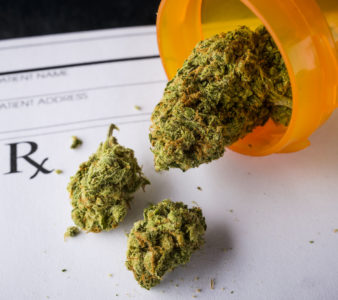 One of the approved conditions for medical marijuana in the state of Minnesota is intractable pain. Intractable pain is pain that can’t easily be tracked to a specific source and treated successfully, and many patients with chronic pain are deemed to have intractable pain. So you’d think the medical marijuana program in Minnesota would be beneficial for chronic pain sufferers? Well, according to a recent article in the Star-Tribune, it’s anything but easy.
 As opioid overdoses continue to rise in the US, the government, lawmakers and medical personnel are all trying to figure out the best way to reduce these unnecessary deaths. Obviously restricting access to opioids would reduce the number of people who can get their hands on them, and in turn reduce
  The daith piercing is without a doubt the most talked about subject on my site, which is ironic because I do not perform the procedure myself. My goal as a pain management specialist is to analyze a person’s pain and come up with a variety of solutions to help manage and treat that pain.