If you’ve been following our blog for a while, you’re probably familiar with our thoughts on the Daith piercing for migraine relief. We’ve written numbers blogs on the topic, and we’ve even helped to spread the word on research studies that are attempting to help us better understand the connection between vagus nerve stimulation and migraine relief.
We even connected with Dr. Chris Blatchley, who is leading research over in the United Kingdom in order to learn more about the condition. Recently, his research was published in The London Times, and while the digital article is hidden behind a paywall, you can read the story in the picture below or click here for a larger version.
What’s Next For Daith?
Dr. Blatchley recently reached out and wanted to share some exciting news about what’s in store for Daith piercing research in the near future. They are currently in the process of conducting a 12-month study on 1,000 patients who have underwent the Daith piercing to see how their migraine symptoms are affected over the next year. In 2023, they plan to use brain scans to better understand the immediate effects of the Medical Daith on brain activity.
What we like most about the article and the research is that they are really working hard to take the perceived “randomness” out of the equation. It’s not enough to simply get a piercing in the daith and hope that it provides relief. Dr. Blatchley has created the “Medi-Daith” technique, which helps piercers find the right location for the piercing. The plan isn’t to hit the vagus nerve with the piercing, but instead get close enough to stimulate the area. Being very deliberate about the location of the piercing can really help ensure that trial data is more accurate.
As we’ve said on the blog in the past and as we’ll echo now, while there does seem to be a correlation between vagus nerve stimulation and migraine relief, we’re still waiting on that concrete proof that provides a better understanding between the connection. We’ve always recommended the technique as a low-cost option for patients who have exhausted other treatments and failed to find relief. That said, it appears that there is growing optimism that the piercing can be beneficial for migraine sufferers.
We’ll follow the new research closely, and we’d be happy to answer any questions you might have if you’re struggling with migraines. We have written a number of blogs with helpful information, and if you’re considering pursuing a daith piercing, make sure that you connect with a piercer that understands the daith procedure and how to complete the procedure to stimulate the vagus nerve.
For more information, or for help with migraines or a chronic pain issue, reach out to Dr. Cohn and his team today at (952) 738-4580.
 Nobody wants to have to deal with a headache, or worse, a migraine, but oftentimes patients feel helpless to control and prevent their onset. Some people have found that improvements to daily exercise and dietary habits can help a little, but others can’t seem to find treatment success no matter what route they pursue.
 Daith piercings have been showing success in helping to control migraine headaches. Now there is new research that seems to shine more light on what has been thought to be the mechanism that contributes to the success of this treatment. Research into dementia has recently been done with stimulating the ear with a slight bit of external and intermittent vibration. The research suggests that this may help prevent dementia. The mechanism of action is thought to be by stimulating the ear, a branch of the vagus nerve is also being affected and this is what is producing the results. Similar to what we assumed was happening with the
 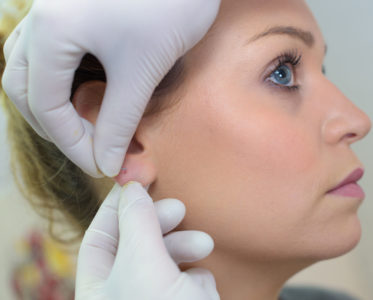 The following is a guest post from Leticia, a reflexologist and state certified piercer. She reached out to us with some more information on the