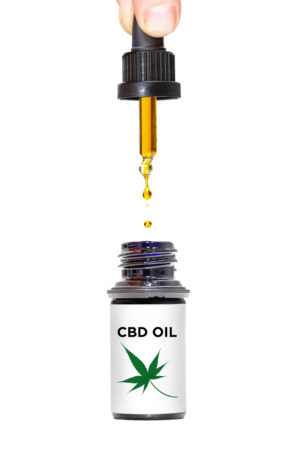
 When it comes to selling healthcare products, companies often try to walk a fine line between marketing their product and making false claims about the true ability of their product. Oftentimes there are a lot of semantics at play and the Food and Drug Administration rarely intervenes over product claims unless they feel that the consumer is being grossly misled about a product. It appears they recently felt that way over claims made in the CBD industry.
We’ve talked about cannabidiol on the blog in the past, and like CBD, medical marijuana or other relatively new products on the healthcare market, our stance has been pretty similar. We want patients to find a solution that works for them, we want further scientific research to better understand these products, and we want patients to pair passive treatment options with active treatments like exercise and physical therapy. Until we can point to the science behind a product, we’re leery to suggest it as a solution other than to say, if it works for you and isn’t compromising your health, go for it.
CBD For Pain, Cancer and More
That’s not exactly the same sentiment felt by Rooted Apothecary LLC, a company based in Naples, Florida, that has been pushing CBD products on its customers. They are legally selling CBD products, but the FDA and the Federal Trade Commission believes the claims they are making about the effectiveness of the products are misleading and even illegal.
Some of the claims made by the company about their CBD products include such unsubstantiated claims as it can be effective for teething pain and earaches in infants, or that “CBD was effective in killing human breast cancer cells.” They also made claims that CBD has been effective in treating Parkinson’s disease, Alzheimer’s disease and can safely be used in conjunction with opioids. Not only are these claims unsubstantiated by science, but they can put the consumer’s health at risk.
“Cannabis and cannabis-derived compounds are subject to the same laws and
requirements as FDA-regulated products that contain any other substance,” said
Acting FDA Commissioner Ned Sharpless, MD, in a press release. “We’ve sent
numerous warning letters that focus on matters of significant public health
concern to CBD companies, and these actions should send a message to the
broader market about complying with FDA requirements. As we examine
potential regulatory pathways for the lawful marketing of cannabis products,
protecting and promoting public health through sound, science-based decision-
making remains our top priority.”
Whether it’s CBD or another health and wellness product, we recommend that you do your own research and consult with your physician if you have any questions, especially if you’re already trying certain treatments for your pain. If something sounds too good to be true, it probably is. CBD is far from snake oil, but it’s not a magic pill either. Do your research, trust your gut and consult a professional for any questions you have.
 In the wake of increasing opioid overdoses across the country, lawmakers have called for much stricter regulations in how providers prescribe opioids to patients. The goal of the changes were to stop doctors from “taking the easy road” and prescribing opioids to patients because the doctor doesn’t want to take the time to dig into the problem and work towards a real solution. Lawmakers also undoubtedly thought that if fewer people have access to clinical opioids that overdoses would also decrease.
 The number of opioid prescriptions in the United States has fallen dramatically, and prescriptions now sit at their lowest levels since 2003 according to new data from the Food and Drug Administration.