Your brain is the most complex organ in your entire body, and we are always striving to learn more about how it develops and the way it interacts with our body. Many people suffering from chronic pain are battling this condition due to a misfiring synapse in the brain or an issue in how the organ interprets signals it receives from other areas of our body.
Recently, a colleague from overseas at Sofia Medical University reached out after coming across the blog. He was interested in what we had written about the brain and its role in chronic pain interpretation. He asked if we would be interested in sharing an infographic that he developed that dives deeper into how our brain develops as we age. I believe it is a thought-provoking and informative visual guide, so I was more than happy to share it on the blog.
So please, check out the infographic below to learn more about the science behind our brain’s development.
Recently, a new report published in the Journal of the American Medical Association suggests that there may be a link between chronic pain and the eventual onset of cognitive issues. But do these findings really suggest that chronic pain leads to an increased risk of cognitive decline, or is there something bigger going on? We take a closer look in today’s blog.
For their study, researchers at the University of California at San Francisco decided to look at how chronic pain impacted a person’s mental health. They began by examining data collected on more than 10,000 individuals over the age of 60 who were taking part in a different nationwide study. Patients in that study were surveyed about their pain scores and cognition in 1998 and 2000. Patients were then monitored over the next decade.
Chronic Pain and Brain Health
After looking at the data at the end of the study, researchers found that individuals who said they were persistently bothered by moderate or severe pain declined 9.2 percent faster in cognitive and memory tests over the next 10 years compared to those who said they were not in pain. Moreover, patients who complained about persistent pain exhibited a 7.7 percent greater chance of developing dementia than patients who did not experience regular pain.
“A persistent report of moderate to severe pain, which may reflect chronic pain, is associated with accelerated cognitive decline and increased dementia probability in a large population-representative data set of elders,” wrote first author Elizabeth Whitlock, MD, a postdoctoral fellow in the UCSF Department of Anesthesia and Perioperative Care. “Clinicians should be aware of this association, which persisted after extensive statistical adjustment for confounding health and demographic factors. Patients reporting ongoing pain may be at higher risk for current and incident cognitive impairment and physical debility.”
Pain Can Compound Mental Health Issues
The authors go on to make another key point about the problems associated with persistent pain and the onset of cognitive problems like dementia. Since individuals with pain oftentimes take opioids or other painkillers, cognitive decline can make it difficult for the patient to remember to take their pills or to get the correct dosage, which can be downright dangerous.
“Elderly people need to maintain their cognition to stay independent,” said Whitlock. “Up to one in three older people suffer from chronic pain, so understanding the relationship between pain and cognitive decline is an important first step toward finding ways to help this population.”
However, the study says the results don’t paint a perfect picture of the link between chronic pain and cognitive decline. Since a good deal of patients are on a variety of different pain medications to help control their pain, researchers said that the pills could be contributing to dementia and other cognitive problems, and pain may not play a role.
Hopefully future studies will look closer at the role opioids may play in cognitive decline. Regardless, this study is just more proof that we need to be investing more time and energy into seriously working to find solutions to the myriad of chronic pain problems in the US and throughout the world.
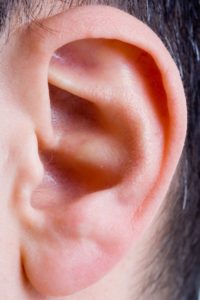
As we mentioned a couple of weeks ago, a colleague of mine decided that he wanted to conduct some research on the daith piercing among individuals who have sought out the piercing for migraine relief.
As someone who has written numerous blogs on the subject, I wanted to help spread the word about the study, and of course I am interested in the results. So if you have a daith piercing and you haven’t take the survey yet, please click here to take it!
Daith Piercing Survey
Although the study is still in the collection phase, Dr. Chris Blatchley of the London Migraine Clinic was kind enough to share some of the early findings from the survey. We thought it would be interesting to share some of those findings with you before the results are really broken down and trends are discovered. So below, you’ll see some findings from the early batch of responses to the daith study.
The vast majority of respondents have had the piercing for 18 months or fewer. This is likely due to the fact that the daith piercing has only recently gained popularity in the pain care/migraine community.
Of the 50 or so respondents who have had migraines for over 10 years and had the daith piercing for over one year, 38 percent reported having migraines most days and only two percent said they had gone a month with one or fewer migraines. Since getting the piercing, only six percent report migraines on most days, and a whopping 69% say their migraines have been reduced to one or fewer a month.
The general consensus is that the majority of individuals who underwent the daith piercing procedure for migraine relief showed marked improvement in all modalities, although it is worth nothing that for a small percentage of individuals, their migraines got worse after the piercing.
These early results are interesting, and although this is only a surface level interpretation, we’re intrigued by the results. There are some obvious limitations in that the survey relies not only on self-reporting, but also self-reporting pain levels from years ago. However, the survey is certainly a huge step in the right direction for understanding pain pathways and harnessing the power of the daith piercing for the right patient.
One final thing we hope to glean from the study is a better understanding of the placebo effect on patients who undergo the procedure. Is their pain truly being resolved because it is helping stop the transmission of pain signals, or are people experiencing better results simply because they expect to? It’s a fascinating angle, but when you consider that the placebo effect has not been shown to be as effective in other medical interventions, it certainly seems like there is a credible link between the piercing and migraine relief in some individuals!
We’ll keep tabs on the survey as it continues, and be sure to take the survey if you haven’t yet!
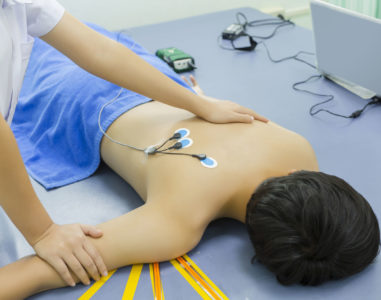
Treatment of chronic pain is often complicated and requires multiple strategies to solve the problem. Spinal cord stimulation is an advanced strategy in the United States, but in other parts of the world, it is often employed even prior to spine surgery. Over the last several years, there have been several new developments in the field, but whether they will help more than a few it remains to be seen.
Spinal Cord Stimulation For Pain
The science behind spinal cord stimulation goes back to 1984 when Medtronic designed the first unit. The original technology was adapted from heart pacemakers, and this concept remains about the same, except that we are pacing the nervous system instead of the heart. Over the last 30 years, research has improved in several areas including shrinking of electronic circuits as well as improved battery technology.
Besides these obvious areas, medical science has greatly advanced in understanding different components of the nervous system and diseases that may be contributing to pain. As technology has improved, the ability to electrically stimulate the nervous system has also changed. We know how to better find and block or modulate the abnormal signals causing pain. We can use multiple programs to change the pain signals and often find a variety of different things that all dampen pain, making it more manageable. Now that the batteries for these units are remotely rechargeable through the skin, the units are no longer limited by how long the battery would last.
Increased Effectiveness
Basic science has also contributed to increased effectiveness of spinal cord stimulation. We have a better understanding about how pain signals travel from the periphery of the body to the brain through the spinal cord. We now can direct signals to very specific regions of the cord to be more effective in controlling pain. For some very isolated pain situations, we can stimulate a specific nerve in the periphery of the body (known as peripheral nerve stimulation), or just as the nerve enters the spine (dorsal root ganglion stimulation). For some people, stimulating the spine at the thoracic T9 level at a high rate can not be felt, but it is effective to block pain signals. The last new pattern is known as burst stimulation, and that is using a special pattern of high frequency pulses to the spinal cord to block transmission of pain signals.
The new forms of spinal cord stimulation use a variety of electrical techniques to modify the ability of painful electrical signals to travel from the periphery to the brain. At this time, pain specialists cannot tell whether a certain type of electrical stimulation will be helpful unless a reversible trial is performed. If conservative treatment has failed to control pain, an interventional pain expert who has experience with spinal cord stimulation may be able to help determine whether this type of therapy is a reasonable option.
With the new types of stimulation available, if you are a candidate for implantable management options, this type of intervention is often an extremely successful treatment. In the right person, the success for pain control is about 70 percent, and failure is due to a variety of factors but especially due to patients disliking the electrical stimulation sensation. As technology improves, hopefully this will be used earlier in the treatment of pain.
Everyone is different, but improving your nutrition can drastically improve how well you feel. A good diet, exercise and adequate sleep all are parts of healthy living. Doing just one of the three things leads to mixed results. Living a balanced life can solve a lot of health problems, and is often very beneficial in treating pain. Unfortunately, doing the right things in life is not always easy. Most of these things take time and planning, and most are not fun.
Food and Pain
Different foods have different effects on the body. There are three basic food categories – proteins, carbohydrates, and fats. They all have different values to the body, and there are many ways to obtain these.
Proteins provide essential amino acids that are necessary for building various chemicals in the body including muscle, and can be a source of delayed onset energy.
Carbohydrates are used for energy, but also are in what we consider fiber. It is important to remember that the quality of the food is often as important as the number of calories and how the body will use the food.
Fats are necessary also in small amounts for certain chemical processes in the body and can be stored for energy later.
Vegetables, fruits, whole grains, lean and vegetable type proteins, and healthy fats will provide quality energy during day while maintaining your health. Fast food provides limited short-term energy and often adds to the waistline due to the types of carbohydrates and fats.
Meal Planning and Pain Care
Starting your day with a good breakfast has been a nutritional rule for years. For most people, eating a breakfast with some complex carbohydrates like granola that is high in fiber and fruit, with a source of protein such as yogurt and nuts, provides energy throughout the morning, reducing fatigue and the desire to munch or eat things like donuts.
Lunch provides the energy for the middle of the day. Some nutritionists say this should be the biggest meal of the day. Most of us do not have the time for this and is something that is eaten in a hurry. Maintaining a high fiber lunch with a protein source is a positive meal. A salad with a low fat piece of protein, like a chicken breast or tuna fish is an excellent meal to help control weight.
Many of us feel the need at times to snack. To help control this urge, drinking plenty of water is sometimes helpful. Nutritionally, one of the best snacks is nuts, especially almonds, walnuts, or other tree type nuts. These help reduce diabetic and cardiac risks, are high in protein, fairly low calories and will fill you up. The main thing to avoid are sweets and high carbohydrates like potato chips or cookies. Popcorn that is not highly salted is also good due to high fiber content and low calorie amount.
Dinner is one of the hardest meals to do appropriately. It is important to learn balance and portion size. If you are trying to lose weight, eliminate simple carbohydrates like pasta and potatoes. Include salads, vegetables, and fruits to help to fill yourself up. Meat portion size should be about five ounces, and lean meats like chicken, fish and pork are the healthiest. Spaghetti squash can be used at times for a substitute for pasta in many dishes that have a meat sauce. Also, slow down your eating and drink plenty of fluids since both of these strategies help fill oneself up. Lastly, do not eat really late and then go directly to bed since this tends to allow the body to move the calories just eaten into fat for storage reasons.
Dietary Health For Pain Sufferers
Eating a better diet often allows one to lose weight. Reducing the total calorie intake by reducing fatty foods and simple carbohydrates like bread, potatoes, and pasta, and also reducing sweets can go a long way to meeting a complex goal. The hardest thing is probably reducing the total amount of calories taken in during the day to maintain a balance with the activity level one is performing.
Most everyone will have an increasingly slower metabolism as we age, and to exercise enough to burn off all the calories we eat is often impossible. It takes a wise diet and exercise to lose weight. It is never easy, but the more one learns about eating healthy, the easier it becomes to lose weight. Discipline in diet is probably more important than any fad diet, and be sure to choose a diet that you can follow long-term.

 Recently, a new report published in the Journal of the American Medical Association suggests that there may be a link between chronic pain and the eventual onset of cognitive issues. But do these findings really suggest that chronic pain leads to an increased risk of cognitive decline, or is there something bigger going on? We take a closer look in today’s blog.
 As we mentioned a couple of weeks ago, a colleague of mine decided that he wanted to conduct some research on the daith piercing among individuals who have sought out the piercing for migraine relief.
 Treatment of chronic pain is often complicated and requires multiple strategies to solve the problem.