
Could Scorpion Venom Help Solve Chronic Pain?

scorpion painChronic pain is the most widespread health condition facing Americans today, so it’s no surprise that researchers and medical experts are looking for alternative methods to help patients find relief. A new study out of the University of California San Francisco is taking that thought to the extreme as they have been studying scorpion venom to see if it could be harnessed to help stop some types of nerve pain.

For their study, researchers took a closer look at how scorpion venom affected the human body on a cellular level. They found that scorpion venom can actually be used to target what’s known as the wasabi receptor, a chemical-sensing protein in the nerve cells (also called TRPA1). If you’ve ever take too large of a bite of wasabi, you’ve probably felt a sting in your sinuses, and that’s your wasabi receptor reacting to the properties of wasabi.

Wasabi Receptors and Pain

Some types of scorpion venom also trigger the wasabi receptor, and this was an area of focus because when the receptor is activated, sodium and calcium ions can move into cells and induce pain and inflammation. The venom is also of interest because of the way the venom triggers the wasabi receptor. The venom contains a unique and unusual sequence of amino acids that allows it to penetrate the cell’s membrane and pass straight through as opposed to the traditional mode of entry called endocytosis. If researchers can understand how this venom can pass through the cell membrane, they may be able to replicate the process and develop medications that can penetrate the cell’s barriers, which has caused problems in the past.

“The discovery of this toxin provides scientists with a new tool that can be used to probe the molecular mechanisms of pain, in particular, to selectively probe the processes that lead to pain hypersensitivity,” said UCSF doctoral student and lead author John Lin King “And for those interested in drug discovery, our findings underscore the promise of TRPA1 as a target for new classes of non-opioid analgesics to treat chronic pain.”

Developing new drugs that can be correctly absorbed by the body to target a wide variety of pain types has always been difficult, but studying scorpion venom could give us a better understanding of cellular membranes. So while you won’t be injecting scorpion venom to help with your chronic pain anytime soon, it wouldn’t be surprising if the substance led to a breakthrough in the field of chronic pain management in the not so distant future.
New Technologies For Pain Management

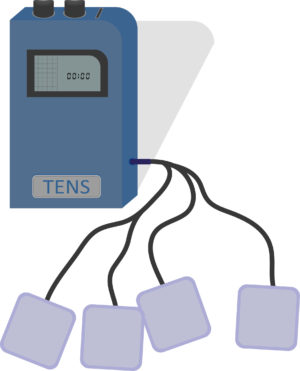
nerve stimulationMedicine is evolving as electronic technology invades all aspects of medical care, and pain management is no exception. The areas that have changed the most are imaging technology and implantable devices. What is interesting to patients is how imaging can improve care and implantable devices may help when nothing else is working. The improved imaging makes diagnostic and treatment decisions easier and also makes interventions more precise when tied to management by an astute clinician. No matter how good the technology is, without the skill of a good clinician to understand the medical problem, no solution would be helpful.

The new implantable technology available is peripheral nerve stimulation. This is designed for treatment of pain that is related to damage to a peripheral nerve, such as in the arm or leg. Pain can often be traced to an isolated nerve and preventing that nerve from propagating the pain signals helps to control the problem. These pain issues arise sometimes after amputations with phantom pains, and can be seen after trauma when nerves are damaged. These problems can also occur with surgeries like joint replacements, orthopedic interventions, spinal operations and some fractures. When the pain is not resolving and an isolated set of nerves can be found and successfully blocked with local anesthetic, then nerve stimulation may be appropriate. This is a treatment to consider when simpler interventions like medications, physical therapy, and injections have not been successful.

Nerve Stimulation For Pain Management

The idea of peripheral stimulation has been around for a long time. In the distant past, traditional spinal cord stimulators were used for peripheral nerve stimulation. Unfortunately, at some point this began being abused and since those systems were extremely expensive, this process stopped. In the last two years, new systems have been designed specifically for peripheral nerve stimulation that are very technologically advanced and effective.

One example is electrode stimulation. The electrode is a very thin wire coated in silicone that can be delivered to the right place along the specific nerve with a needle guided by ultrasound imaging. The wire contains a special signal receiver that can be used to help stimulate the nerve and drown out pain signals. Most importantly, the signal generator is now a very small rechargeable unit that is placed on the skin over the end of the electrode. In the near future the electrode may connect even further from the generator such that it may be able to be carried in a pocket or other safe place.

The new technology is FDA approved for peripheral nerve pain from any type of nerve injury. The easiest insurance approval is Medicare, but other providers are starting to approve of such treatments when proven simpler treatments have failed. There currently are at least two manufacturers of equipment, the difference appears to be mainly in the generator’s ability to deliver a variety of signals that may effectively block pain signals and not be uncomfortable to the patient. From experience developed in spinal cord stimulation, the electrical signals can be varied such that the nerve pain is blocked but the patient does not feel any other odd sensations. The net effect is that one can perform activities that were once painful without the ongoing sense of pain.

For pain patients, this new technology is nice since the only thing implanted into the body is a thin wire to the appropriate location. Testing prior to implant is first by a local nerve block with a long lasting anesthetic. If that is successful, than a trial implant can be done for a week or longer to determine if a final implant would be indicated. The permanent implant is a brief outpatient procedure and can be easily removed in the future if necessary.

Pain patients who may benefit from peripheral nerve stimulators include those where pain symptoms have a definite peripheral nerve origin and the pain can be extinguished by blocking just one or possibly two nerves that are nearby each other in the body. The first problems that have been treated have been pain related to shoulder injuries that do not resolve with surgery. Other common orthopedic problems include knee and foot pain after trauma or other surgery with nerve damage or nerve pain afterwards. Amputation phantom limb pain and complex regional pain syndrome are other pain problems that may benefit from this technology. An interventional pain specialist who does implants should be able to help determine if the pain problem may be helped with such treatment. Not all pain problems can be helped and if the pain is coming from multiple pain generators or is centrally generated in the brain, this treatment is less likely to be helpful.

The Link Between Chronic Migraines and Dementia

migrainesNew research published in the Journal of Alzheimer’s Disease found a link between chronic migraines and the eventual onset of dementia, especially in women.

For the study, researchers examined 7,400 study participants between the ages of 60 and 80. Half of the group said they suffered from regular migraines, while the other half were migraine free. The goal of the study was to see if a migraine diagnosis could impact a person’s likelihood of developing dementia within 10 years of the migraine diagnosis, independent of any other medical issues the individual had.

At the conclusion of the 10-year period, researchers uncovered that over five percent of individuals with migraines had been diagnosed with dementia, while just over 3.5 percent of those without migraines received the same diagnosis. Moreover, when examined by sexes, nearly six percent of women who suffered from migraines went on to develop dementia within 10 years.

“Our results indicate that elderly people with migraine headaches should be regularly screened for cognitive decline and dementia,” researchers concluded. “Furthermore, offering adequate treatment and management to migraine patients is important, as it may help prevent the subsequent development of dementia.”

Not only does there appear to be a link between migraines and dementia, but previous studies have found an increased risk of heart attacks, strokes and cardiovascular issues in women that suffer from migraines, so proactive treatment is important.

Migraine Treatment

Migraines and headaches are two conditions that we help treat, and we recommend seeking professional help if you suffer from chronic headaches because every case is different. We’ll provide you with a comprehensive diagnosis and then walk you through some treatment options. If a treatment isn’t providing relief, we’ll move on to different techniques until we find one that works for you. Some common treatment options that have helped patients find relief include:

  • Exercise
  • Weight loss
  • Relaxation Therapy
  • Diet Changes
  • Monitoring and Adjusting Caffeine or Beverage Consumption
  • Acupressure
  • Daith Piercing
  • Muscle relaxers
  • Other Medications

We won’t stop until we find a solution that works for you. For many individuals, their migraines may also be linked to a chronic pain condition, which we can also help treat. Pain is a complex issue that is best handled through a team approach, so do right by your body and contact Dr. Cohn and his team today.

What Science Says About CBD Oil For Chronic Pain

cbd oilCannabidiol, commonly referred to as CBD, is a compound found in the cannabis plant that many people swear by for its benefits when it comes to pain management, anxiety, stress or other health issues. We want you to find relief with whatever works, but what does science say about CBD’s effectiveness for pain management? Let’s take a look.

CBD and Pain Relief

If you’re like me, you can’t go a couple blocks it seems without seeing another business offering CBD products. Pizza places, movie stores, bakeries and wellness shops are all places where we’ve seen CBD being offered, but just how effective is it for your health condition? Scientifically, the jury is still out, but researchers are cautiously optimistic.

One of the reasons why we don’t have a lot of scientific data on CBD’s effectiveness for different pain conditions is because up until December 2018, cannabidiol was classified as a Schedule I substance. Now that it has been removed from that list, we’re quickly working to figure out its medical capabilities. Early studies have come to mixed conclusions, with some saying that the right combination of CBD products can help calm symptoms, while others say there exists a lack of good evidence that CBD can help with chronic neuropathic pain.

With that said, many researchers are still hopeful about CBD and it’s health uses in the future. The previous studies have had many limitations, so their conclusions may not be as accurate as we’d like. For example, many of these studies looked at the short-term impact of CBD in patients with a number of different pain conditions. Pain is the most unique health condition in the world, and everyone’s pain is unique to them.

We very well may eventually learn that CBD can help treat symptoms of certain types of arthritis or nerve pain, but it takes time to isolate all the variables and make these breakthroughs. In fact, a study published this year in the journal Pain found that CBD interacts with serotonin receptors in animals, which are believed to play a role in pain, depression and anxiety. By building on these studies, we may be able to come to stronger conclusions and better help patients in the not so distant future.

So as it currently stands, the jury is still out on the effectiveness of CBD oil for a variety of pain conditions. But as we said above, if you’re dealing with a pain condition, we want you to be able to find relief one way or the other. Some people find relief with diet and exercise, others with physical therapy, and others with CBD. What we will say is that while CBD may help your pain condition, it shouldn’t be your only form of treatment. Substances like CBD are a passive treatment, and they need to be combined with active treatments like stretching or exercise therapy to really help the underlying problem. Here’s hoping we learn more about CBD so we can best help our patients.

The Benefits and Drawbacks Of Extended Release Opioids

extended releaseWe are always looking for new ways to make painkillers safer for those individuals who suffer from acute or chronic pain conditions, and one such improvement was the shift to extended release opioids. These types of pills were promoted as safer than traditional opioids, and while they are in some aspects, they are far from a perfect solution. In today’s blog, we take a closer look at the benefits and drawbacks of extended release painkillers.

Extended Release Painkiller Benefits and Drawbacks

Here’s a look at some of the benefits of extended release painkillers, as well as some reasons why these benefits may not be a perfect solution to the problem.

Abuse Deterrent – Some painkillers were redesigned, making them harder to crush and snort. While this has been successful in preventing abuse of some opioids, it has led some abusers to try even more dangerous methods to get their quick fix, like in the form of injections with shared needles. Other types of abuse deterrent drugs actually were designed such that if they were crushed, the active ingredient would fail and the user would not be able to experience the drug’s effects, which helped prevent abuse.

Overdose Deterrent – Extended release formulas of some opioids mean that the individual taking the medication gets a mild amount of the drug over an extended period of time, as opposed to a quicker feeling of pain relief that patients might feel with normal formulas of the drug. This also means patients may need less of the drug because it provides longer and consistent relief instead of a stronger relief that fades over time. That being said, some people may be expecting quicker pain relief, and when they don’t achieve that soon after taking the pill, they could end up taking additional pills to quell their pain. This can lead to an increased likelihood of abuse, addiction or accidental overdose.

Easy To Find – Many companies were forced to invest in developing abuse-deterrent versions of their drugs, so there are a number of different ER opioid options. However, since companies needed to invest more time and money into developing these drugs, they are often more costly than the normal pills. Many patients don’t want to spend more on painkillers than they need to, meaning many opt against the extended release options.

Effective – The good news is that for many patients, ER opioids are effective at helping them manage pain. One thing many pain sufferers want is consistency, and a consistent, long-release drug can do all that. This can help them plan their day, including when they need to take the pills in order to participate in physical therapy or other active treatment options. The only issue is, like any drug taken over a long period of time, the body gets used to the drug and a higher dose is needed to achieve the same level of relief. ER opioids are great in the short-term when working towards a longer recovery goal, but like any opioid, should not be viewed as a long term solution if at all possible.