 Roughly one in five Americans suffers from chronic pain, and millions of opioid prescriptions were written just last year alone. However, it has become clear that opioids are far from a perfect solution for chronic pain. Overdoses and cases of addiction have skyrocketed as doctors have tried to help patients find a way to reduce their pain. As we’ve learned more about the dangers of opioids, doctors have begun to turn to different solutions to the chronic pain puzzle, one of which being gabapentin.
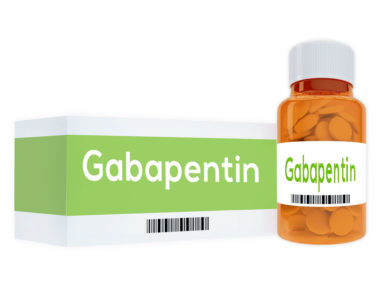
Gabapentin is an anticonvulsant drug that was originally designed to prevent seizures, but more recently it’s been used to help prevent neuropathic pain. It also won doctors over because it doesn’t present the same addiction threats as traditional opioids. From 2012-2016, presecriptions for gabapentin increased 64 percent, and now it’s the 10th-most-commonly prescribed medication in the US.
Baclofen, a muscle relaxant, has also become popular as an opioid replacement. Both drugs can produce a “boozelike” high in patients and help drown out some pain signals, and while they are safer in larger quantities than opioids, recent data on the drugs prove they also have their pitfalls. A researcher by the name of Kimberly Reynolds at the University of Pittsburgh and co-authors found that from between 2013-2017, people tried to commit suicide using gabapentin nearly 42,000 times, and countless more misused the drug.
Finding A Balance
When used correctly, these drugs can provide the type of assistance that some chronic pain sufferers need. However, their use needs to be carefully monitored and part of a larger care effort. A doctor can’t just write this prescription and send the patient on their way. There needs to be a coordinated care effort alongside the prescription. Patients need to try other forms of treatment in combination with their medications, because simply taking a passive drug isn’t going to solve the root problem.
Eventually, if you just rely on this drug, you’re going to need higher doses in order to achieve the same level of relief. Similarly, you may experience withdrawal symptoms if you stop taking the drug, which can have adverse effects on a person’s health. Even though these drugs are being championed as safer than traditional opioids, they aren’t a magic pill that will solve your pain. You need to be doing more alongside these medications to truly address the underlying problem. That type of care is something we try to provide to every patient because we truly want them to find a cure, not just short-term relief.
We’re not anti-medications, but they can’t be used as a stand alone option if you want to have the best results treating your chronic pain. And as recent studies about gabapentins show, they aren’t a perfect solution either. You need to develop a comprehensive treatment strategy with a pain specialist like Dr. Cohn if you want to have the best chance of putting your pain in the past. For more information, or for assistance with your pain condition, reach out to Dr. Cohn’s office today.

 In the wake of increasing opioid overdoses across the country, lawmakers have called for much stricter regulations in how providers prescribe opioids to patients. The goal of the changes were to stop doctors from “taking the easy road” and prescribing opioids to patients because the doctor doesn’t want to take the time to dig into the problem and work towards a real solution. Lawmakers also undoubtedly thought that if fewer people have access to clinical opioids that overdoses would also decrease.
 Every day in my practice I sit down with patients who strongly believe that opioids are the best course of action for their pain condition. While opioids certainly can play a crucial role as part of a comprehensive treatment plan, they definitely are not a stand alone option and are far from a perfect treatment as their problems are numerous and well known.
 We are always looking for new ways to make painkillers safer for those individuals who suffer from acute or chronic pain conditions, and one such improvement was the shift to extended release opioids. These types of pills were promoted as safer than traditional opioids, and while they are in some aspects, they are far from a perfect solution. In today’s blog, we take a closer look at the benefits and drawbacks of extended release painkillers.