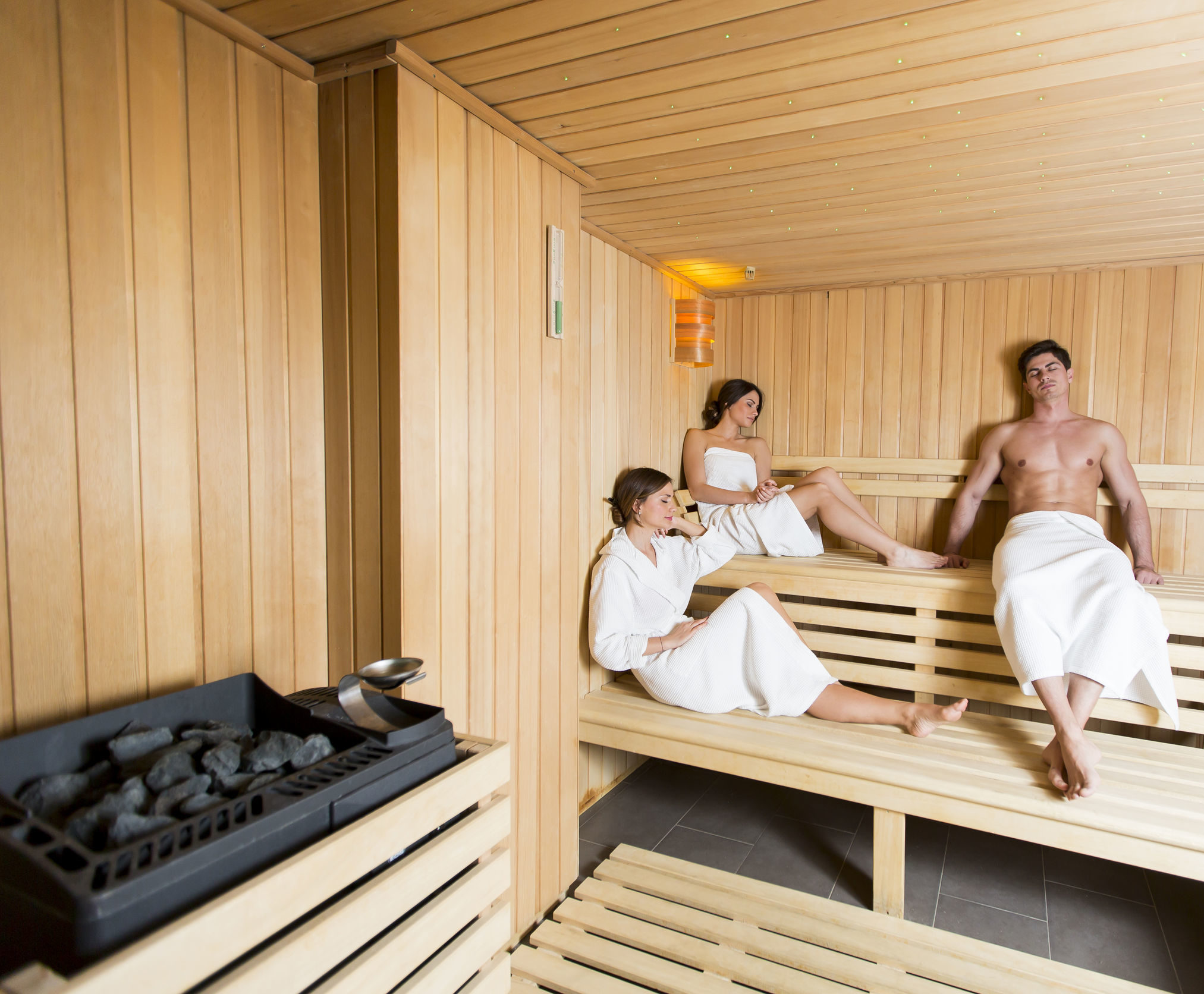
Can Using A Sauna Be Considered Exercise?

saunaScandinavians have had healthy lifestyles for centuries. One of their traditions has been saunas, often followed by the quick jump into the snow bank or into a cold lake. New research published in the Mayo Clinic Proceedings indicates that frequent sauna use can have the same effect on the body as regular exercise. Yes, sitting in a sauna is similar to a workout. To be beneficial like exercise, however, it has to be done about five times a week. Occasional saunas do not have a benefit.

How Saunas Simulate Exercise

A typical sauna is heated upwards of 175 degrees Fahrenheit or hotter. Spending five to twenty minutes in the sauna will normally get the heart rate to increase to 120 to 150 beats a minute. This is the same range that the heart would beat at when exercising moderately. At the same time that the heart rate increases, blood flow also increases to the skin, and that is an important factor seen in cardiovascular exercise.

The health benefits of sauna baths were studied in Finland. In the people who frequently used saunas, the same benefits of exercise were noted. These people had a 60 percent decease in heart disease and stroke. There was also evidence of improvements in other diseases such as some pulmonary conditions, arthritis, headaches and the flu. Direct findings included decreased blood pressure and decreased artery stiffness.

The effects of frequent sauna sauna use are the same as aerobic exercise. For those with pain and difficulty walking or exercising, the use of a sauna may have a significant benefit to improve cardiovascular fitness. The extreme heat forces increased heart rates and peripheral vascular flow. Since this is pushing your heart rate up, starting a sauna routine should involve the same cautions as an exercise program. Make sure that your heart can tolerate the increased heart rate and the extra work. Consult your physician and get approval to be exercising before you start using a sauna. Other precautions include drink plenty of water and do not drink alcohol.

For more information about using a sauna for your pain condition, reach out to Dr. Cohn’s office today.
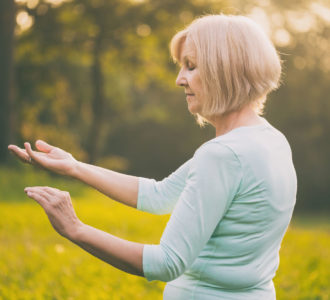
The Amazing Benefits of Tai Chi

tai chi benefitsTai Chi is an ancient Chinese tradition, and today it is practiced as a form of exercise. It is a series of postures and slow movements accompanied by deep breathing. Consider it a gentle form of physical exercise and stretching. It involves constant motion, moving from one posture to another without pause. It is safe for all ages including the elderly, and the low-impact movements put minimal stress on muscles and joints.
The Basics of Tai Chi

Tai Chi has many forms. There are forms that are more typical of martial arts, performed for competitive purposes, and there is the general version that is often practiced for its personal health beenfits. There have been five main family styles of Tai Chi, and all seem to based on the Chen style dating back to the 1600’s. Now, classes in Tai Chi are performed mostly for those interested in the combination of physical and mental health benefits. Movements emphasize a straight spine and natural range of motion of muscles and joints. There is also a seated form of Tai Chi that includes most of the traditional components of the art.

The health benefits of Tai Chi have been studied in a number of conditions, and has been generally accepted as beneficial in osteoarthritis, rheumatoid arthritis, fibromyalgia, Parkinson’s disease, and for general chronic pain. Once the techniques are learned, no special equipment, place or clothing is needed to practice the art. The exercises are especially good for lower body strength to improve posture, promote overall flexibility, and for the awareness of balance and position of the body in space. The goals are to minimize stress on painful areas and to foster improved circulation, relief and healing.

The studies done around the world have shown benefit, especially for those who have chronic pain. Exercise in general has been shown to be beneficial. Studies specifically with regards to Tai Chi have shown better outcomes with pain control for Fibromyalgia than with more traditional exercise like aerobic conditioning or swimming. The concentration on slow balanced movements and breathing does especially well for all aspects of improving physical abilities of those who have chronic pain.

Classes for those wanting to learn Tai Chi are easily found. Many senior centers, larger health clubs and YMCAs have programs and classes. Once the movements are learned, one can continue with group programs or perform the art on their own. Since no equipment, special space or clothing is needed, only a commitment to improve oneself is necessary. If you have chronic pain and are looking for an activity to improve fitness, Tai Chi may be beneficial.

The Benefits of Static and Dynamic Stretching

stretching tipsI have written about the benefits of stretching in the past. However, there are two types of stretching exercises. The classical stretch is known as static stretching, while a newer type is called dynamic stretching and that applies more to athletic activity. Neither is better than the other, and static stretching is necessary to maintain function for those who have chronic pain. Dynamic stretching is part of a process to maximize performance, especially in sports.

The importance of static stretching is to maintain function within the body. It allows us to maintain range of motion of joints. It enhances the flexibility of our muscles. It is also improves circulation and reduces risks of injuries. The more normal the length and function of the muscles, the better the muscles work. When one has pain, it is also important that stretching be maintained equally from sided to side in the body and all areas.

Stretching Techniques

Technique for static stretching is also important. A slow, steady stretch and holding the body in a stretched position for ten to thirty seconds is important. Avoid bouncing, since it may cause micro-trauma to the muscle fibers. To prevent imbalance, side to side stretching (for instance both legs) as well as stretching opposing muscles, is important.

Dynamic stretching is using progressive movement to maximize muscle function and ability. A good example would be the warm-up exercises for a figure skater, gymnast or dancer. These athletes start with slow movements and partial stunts as they first begin their practice. After a short warm-up period, they begin to do more aggressive moves and complex tasks. They start slow and then move toward more explosive motions.

If you have issues with chronic pain, mastering static stretching is essential. Tight muscles and joints become painful, and stretching improves the health of the muscle and joints, and it also improves circulation. Stretching absolutely needs to be balanced. Imbalanced stretching can lead to one area improving while another may become painful.

There are many resources to learn stretching routines, from physical therapists, to books and even phone apps. Classes like Yoga or Pilates can also help with stretching and may increase the fun and motivation by performing the activity with others. Lastly, stretching usually needs to be a daily activity, and often can be done in small segments of just a few minutes in your free time.  Since stiffness is often worse in the morning, starting the day with stretching and ending the day for a few minutes is a golden recipe.

Vote – It Matters For The Pain Care Community

voteIn a country that has very divided political views, voting does matter. Outrageous sums of money have been spent to influence adults on which candidate is better than the other choice. The way we influence our democracy is if we vote. Every election does matter. Every choice for a candidate may influence what happens in your community, state and the nation. For those with chronic health problems, your vote may control whether you are able to obtain affordable healthcare or your pain medications. There is also a sharp contrast in beliefs of many who are running for office, some for policies that benefit all, some are old school and for the wealthy. Also, rhetoric does matter, and the words do count.

I am first generation here in this country. All but those who are Native Americans are immigrants to this country. Many came to this country to build a better life. Some came to flee persecution, discrimination and possible death. My father’s family fled the anti-Semitism in Eastern Europe; my mother’s family barely escaped Nazi Germany with my grandfather buying his way out of a concentration camp. The United States has been built on the hard work of immigrants.

Statistics show that immigrants are some of the hardest workers in our economy and on average the least likely to commit crimes. Only recently has this country turned its back on the world and left behind our role of leadership. We spend our time listening to those who stoke our fears and worry about anyone who is different from us. As technology has developed, we now live in a 24/7 age of information. We also live in a time where what happens around the world is just as important as what happens in our neighborhood.

Polarized Views

This past weekend, the reality of how polarized our nation is became evident. From the shooting at a place of worship in Pittsburgh to the mail bombs sent to politicians with differing views, we as a nation have allowed hate to fester. We cannot continue down the path of hate.

Since we all are immigrants and have been graciously allowed to live in this fine country, it is about time we take responsibility for all aspects of this land. It takes money to run a government, and the government needs to provide service for the people. It takes money to build and maintain roads. It takes money to protect the land from pollution and we need it to be clean for us to survive in the future. Climate change is real; the hurricanes, droughts, and forest fires are among the consequences. The United States also has one of the lowest ranked healthcare systems of the industrial world. We need to spend money to improve the systems that exist, and rid ourselves of stupidity like our pharmaceutical companies and insurance industries that continue to drive prices up for patients.

The current climate in our country is not okay. Everyone should be shedding a tear for those who have died due to our senseless and selfish ways. As a guest in this country, let’s all be thankful for what we have and make this country a model on the world stage of events. Be happy for what we have and try to remember to help those less fortunate. Most importantly, what we say and what we do is important and does affect others. Remember it is important to vote and remember we almost all are immigrants to this country.

Why We Choose Not To Exercise

not exerciseExercise for healthy individuals is often challenging, and if you have chronic pain, even the thought of exercise can leave you riddled with anxiety and the worry of more pain. In an article recently published in the New York Times, it describes a new neurologic study that finds our brains are wired to tell our bodies to be mostly sedentary. It may be that we are suppose to be less active to conserve our energy.

The study was interesting, examining what motivates us to be active. Most people want to be active but find excuses not to be active. Common excuses we all know, like it takes too much time or that one is tired. Exercise takes commitment and often is at an inconvenient time either early in the morning or after work. Neither time seems enjoyable, especially when you could be doing more enjoyable things, like eating or sleeping.

Exercise Motivations

The New York Times study took healthy young people and then monitored how their brains reacted to visual representations of either physical activity or sedentary things like resting on the couch. The study looked at the brain activity while watching a variety of these images. While watching physical activity, the brain needed to use multiple areas to process the information. When sedentary types of activity, appeared the brain waves were much calmer. The implication was that the brain prefers the calm activities like laying on a couch or in a hammock. The conclusion the authors propose based on monitoring 29 people is that we are hard wired to be sedentary.

Exercise is clearly more work than just sitting around and not being active. The benefits are rarely seen right away and usually are difficult to decipher until time has passed. It is much easier to sit and watch television, sleep or enjoy a big meal. To benefit from exercise one must take a long look at the advantages. For those with chronic pain, exercise keeps the muscles loose and strong, and gives the person the endurance to get through the day. For many, exercise decreases the pain one has overall and keeps them functional in daily activities. The most common response for those who consistently exercise is that I am going to hurt regardless if I do or do not exercise, and without it I would likely not be able to move well at all, so I might as well exercise.

Maybe we have brains that are wired to enjoy restful activity over physical activity. The body, however, is designed for being active. The most appropriate saying that applies is “use it or lose it”.  As a pain physician and someone who does have chronic pain, I can hurt and slowly lose function or choose to be active and maintain as much ability as I can. It is a choice to be active, it takes work, and it is not fun, but it pays off in the ability to maintain function.